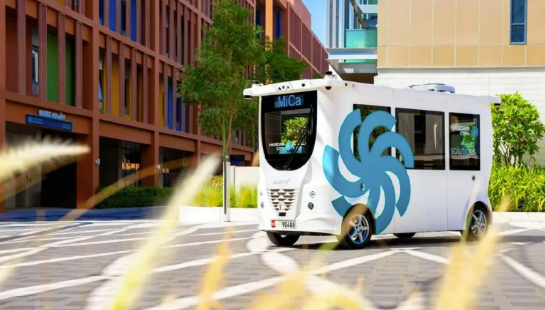
Technology in smart transportation systems significantly transforms urban mobility. By leveraging real-time data and predictive analytics, cities can enhance traffic flow and minimize delays. Autonomous vehicles present new challenges and opportunities in this landscape. Furthermore, the implementation of smart traffic lights contributes to better congestion management. Understanding these dynamics is crucial for developing effective strategies. What implications do these advancements hold for future urban planning and safety?
The Role of Real-Time Data in Smart Transportation
As urban populations continue to swell, the integration of real-time data into transportation systems has become increasingly vital for enhancing efficiency and safety.
Data analytics enables the continuous assessment of traffic patterns, while predictive modeling anticipates congestion and optimizes routing.
This synergy not only improves travel times but also empowers citizens to make informed decisions, fostering a sense of autonomy in urban mobility.
How Are Autonomous Vehicles Shaping Urban Mobility?
How do autonomous vehicles influence urban mobility? Their integration into transportation ecosystems promises enhanced efficiency and reduced congestion, while simultaneously raising critical discussions around autonomous ethics.
The Impact of Smart Traffic Lights on Congestion Management
The integration of smart traffic lights into urban transportation systems represents a vital advancement in congestion management.
By employing smart light synchronization, traffic flow can be optimized, significantly reducing delays.
These systems also enhance pedestrian safety by adjusting signal timings based on real-time data, ensuring that pedestrian crossings are prioritized when necessary.
Thus, smart traffic lights contribute to a more efficient and safer urban environment.
See also: Technology in Smart Retail
Innovations in Connected Infrastructure for Enhanced Safety
While urban environments continue to evolve, innovations in connected infrastructure play a crucial role in enhancing safety for all road users.
The integration of connected sensors allows for real-time monitoring, while predictive analytics enables proactive responses to potential hazards.
These technological advancements foster a safer transportation ecosystem, empowering individuals with the freedom to navigate urban spaces confidently, thus reducing accidents and improving overall safety.
Conclusion
As cities embrace the transformative potential of smart transportation systems, the integration of real-time data and advanced technologies poses both opportunities and challenges. Will these innovations be enough to address the escalating demands of urban mobility? The promise of improved safety and efficiency hangs in the balance, inviting urban planners and policymakers to consider the implications of their decisions. As the landscape of transportation evolves, the question remains: are we prepared for the future that lies ahead?