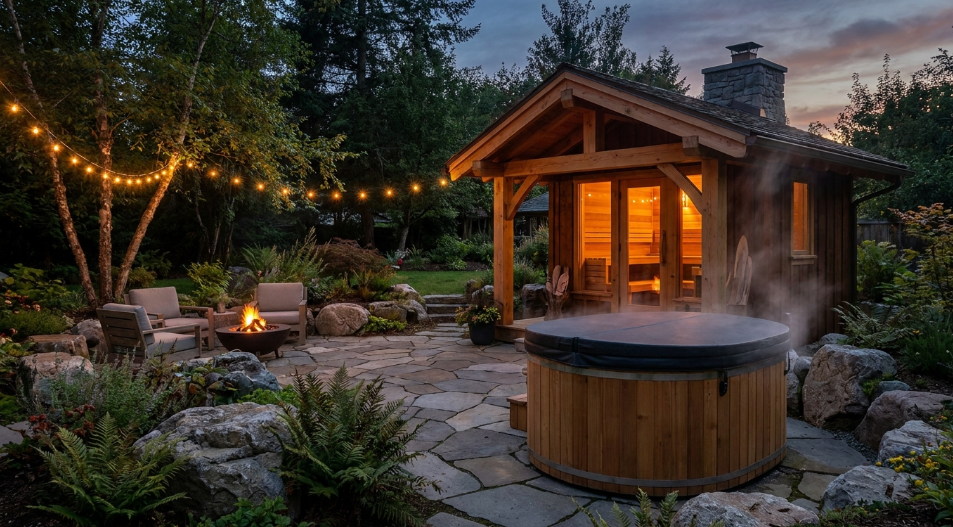
Winter is when a traditional sauna earns its keep the most, both financially and experientially. Cold outdoor air actually makes the contrast part of the appeal, and many dealers price and ship cabins during the slower fall and winter months when demand drops from its summer peak. The combination of typically lower pricing and the payoff of stepping from freezing air into a 180-degree cabin is why a lot of owners say winter, not summer, is when they use their sauna the most.
Does a sauna actually cost more to run in winter?
Slightly, but not by much. A typical 6 kW heater running for a 45-minute heat-up plus a couple of hours of use draws somewhere around 4 to 6 kWh of electricity per session, and colder ambient air adds maybe 10 to 15 percent more energy to reach the same target temperature compared to a mild summer day. At a typical residential electricity rate, that difference usually works out to well under a dollar per session, a cost most owners don’t notice next to the value of the experience itself.
Why do many dealers price cabins lower in the off-season?
Sauna demand typically peaks in late spring and early summer, when people are thinking about outdoor living projects generally, and that seasonal pattern means late fall and winter often carry better pricing and shorter lead times as manufacturers and dealers work through inventory before the next selling season. A shopper willing to order in November or December, rather than chasing a summer install date, frequently finds more in-stock models and more room to negotiate on installation scheduling. Dealers that keep current pricing and stock status visible year-round, somewhere shoppers can compare models here without waiting on a quote request, make it easier to catch that seasonal window.
What does a full winter cost breakdown look like?
A mid-size electric traditional cabin typically runs $4,000 to $9,000 for the unit itself depending on size and wood species, plus $500 to $1,500 for a dedicated 240V electrical run if one isn’t already in place. Add a foundation, whether that’s a $600 to $1,500 gravel or paver base or a more expensive poured concrete pad, and delivery, which varies widely by distance from the distributor. None of those line items change meaningfully with the season, but the unit price itself is the one most likely to move, and it tends to move in the buyer’s favor outside of peak summer months.
What is the actual experience of a winter sauna session like?
The contrast is the whole point for a lot of owners. Walking from a cold yard, sometimes across snow, into a cabin already at 180 degrees creates a sharper physical sensation than the same walk on a warm July evening, and many owners who use their sauna year-round say the winter sessions are the ones they look forward to most. A quick post-session step back outside into freezing air, even just for a minute, is something regular winter users often build into their routine, distinct from the heat exposure itself.
Does ordering in winter mean waiting until spring for delivery?
Not usually. Most manufacturers and dealers keep shipping through the winter months, and cabins ordered in December or January often arrive within a few weeks rather than facing the backlog that builds up during peak spring ordering season. Outdoor installation in cold weather is routine for most crews, since a poured pad or gravel base can be prepped in freezing temperatures as long as the ground isn’t actively frozen solid at the moment of excavation. The one real scheduling risk is a foundation that needs to be poured, since concrete curing slows significantly below about 40 degrees Fahrenheit, which is why a gravel or paver base is sometimes the more practical winter choice over a poured pad.
Does cold weather create any extra maintenance concerns?
A few. Exterior wood siding on a cabin needs to handle repeated freeze-thaw cycles without the joints opening up, which is one reason kiln-dried cedar and hemlock hold up better long-term than green lumber in cold climates. Door seals and hinges should be checked before winter sets in, since a door that doesn’t seal tightly loses heat faster in cold ambient air and makes the heater work harder than it needs to. Snow load on a cabin roof is also worth a glance after a heavy storm, the same as any other outbuilding.
What does the evidence say about sauna use in colder climates?
Much of the strongest cohort evidence on sauna bathing comes out of Finland, a country with a genuinely cold climate and a long tradition of year-round use. A Mayo Clinic Proceedings review of that literature found regular bathing associated with lower rates of cardiovascular events and all-cause mortality, and separate research on the physiological effects of heat and cold on the body notes that alternating between hot sauna exposure and cold ambient temperatures is a pattern many habitual bathers already follow. These are association findings from long-term observational cohorts, not a controlled trial proving winter use specifically drives better outcomes, but the geography of where this evidence comes from lines up with the idea that cold-climate, year-round use is not just tolerable, it is the setting the research is most based on.
Frequently Asked Questions
Is it cheaper to buy a sauna in winter than summer?
Often, yes. Demand typically peaks in late spring and early summer, so many dealers offer better pricing and shorter lead times during the slower fall and winter months.
Does cold weather damage a traditional sauna’s exterior?
Not if it’s built from kiln-dried wood and the seals are checked before winter. Repeated freeze-thaw cycles are harder on green or poorly dried lumber, which is one reason material quality matters more in cold climates.
How much more electricity does a sauna use in winter?
Roughly 10 to 15 percent more per session than in mild weather, since colder ambient air takes slightly longer to overcome. In dollar terms this is usually well under a dollar per session at typical residential rates.
Can you use a traditional sauna outdoors in freezing temperatures?
Yes, as long as the cabin, heater, and any exposed plumbing are rated for the climate. Many owners consider winter sessions the best of the year because of the contrast with the cold outside air.
Do lead times get shorter for sauna delivery in winter?
Frequently. Manufacturers and dealers often clear inventory and have more open installation slots in the off-season, which can mean a shorter wait between ordering and having a cabin installed.
References
- Cardiovascular and Other Health Benefits of Sauna Bathing: A Review of the Evidence, Mayo Clinic Proceedings, 2018
- Effects of heat and cold on health, with special reference to Finnish sauna bathing, American Journal of Physiology, 2018
- Benefits and risks of sauna bathing, The American Journal of Medicine, 2001
- Home energy use guidance, U.S. Department of Energy