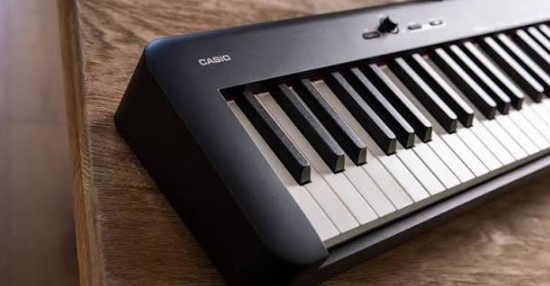
Choosing a piano for home use requires more thought than simply selecting the most affordable instrument. Modern digital pianos offer different keyboard actions, sounds, connectivity options, cabinet designs, and practice features. For shoppers who want to buy digital pianos online understanding these differences before placing an order can make the purchasing process much easier.
A digital piano can be a practical option for beginners, students, experienced musicians, and families because it combines piano-style playing with features that are difficult to achieve with a traditional acoustic instrument.
Why Choose a Digital Piano?
One of the biggest advantages of a digital piano is convenience.
Unlike an acoustic piano, a digital instrument does not require traditional tuning in the same way. Many models also include headphone connectivity, allowing players to practice without disturbing other people in the home.
Digital pianos can also provide multiple sounds. Depending on the model, users may be able to access piano variations, electric piano sounds, organs, strings, and other tones.
For students, these features can make regular practice more flexible.
Understanding Keyboard Action
Keyboard action is one of the most important features to examine.
A beginner might initially focus on appearance or price, but the feel of the keys can have a major impact on learning. Weighted or hammer-action keyboards are designed to provide resistance that is closer to an acoustic piano.
Different manufacturers use different technologies, so the playing experience can vary considerably.
If possible, a buyer should test a model before making a final decision. When shopping online, carefully reading the technical specifications and checking whether the retailer provides detailed product information can help.
Consider Your Available Space
The size of the instrument matters, especially in apartments or smaller rooms.
Portable digital pianos can be easier to move and store, while console-style models are designed to resemble traditional upright pianos and can become a more permanent part of a room.
Measure the intended location before ordering. Remember to consider not only the width of the keyboard but also the depth, bench space, pedals, and clearance around the instrument.
Planning the space in advance can prevent an otherwise suitable piano from becoming inconvenient.
Sound Quality Matters
Digital pianos reproduce recorded or digitally modeled piano sounds through speakers or headphones.
Sound quality depends on several factors, including the instrument’s sound engine, speakers, amplification, and the quality of the samples or modeling technology.
Beginners may not immediately notice small differences, but experienced players often become more sensitive to tonal response.
When comparing instruments online, look for information about the number and type of sounds, speaker configuration, and available demonstrations.
Connectivity and Modern Features
Many digital pianos provide connectivity options that can make practice more interactive.
USB or Bluetooth features may allow the instrument to communicate with computers, tablets, or compatible applications. This can be useful for recording, learning, composing, or accessing digital lessons.
Some models also include recording functions, metronomes, split keyboards, lesson modes, and rhythm features.
However, extra features should not replace the basic considerations of keyboard feel and sound quality. A piano with fewer features may still be the better choice if its playing experience suits the user.
Choosing a Piano for Beginners
Beginners should prioritize an instrument that encourages consistent practice.
A comfortable keyboard action, clear sound, suitable size, and simple controls can make learning less complicated.
If the piano will be used for lessons, it is also worth asking the teacher whether there are specific features they recommend. Students studying classical repertoire may have different requirements from people learning pop music or songwriting.
The goal is to choose an instrument that supports the learner’s current needs while leaving enough room for improvement.
Buying Online With Confidence
Online purchasing can provide access to a wider range of models and specifications. However, buyers should carefully review the retailer’s product information.
Check the dimensions, warranty, included accessories, delivery arrangements, return policy, and whether the instrument comes with a stand or pedals.
It is also useful to determine whether the seller offers support after purchase. A musical instrument is a long-term investment, so customer service can be valuable if setup or technical questions arise.
Accessories to Consider
A digital piano may require several accessories depending on its configuration.
A suitable bench can improve posture and comfort during longer practice sessions. Headphones are useful for quiet practice, while a stand may be necessary for portable models.
Beginners should also consider whether a sustain pedal is included. If it is not, purchasing a compatible pedal can significantly improve the playing experience.
Maintenance and Daily Practice
Digital pianos generally require less routine maintenance than acoustic pianos, but they should still be treated carefully.
Keep the instrument away from excessive moisture, direct sunlight, and extreme temperature changes. Clean the keys according to the manufacturer’s recommendations and avoid using unsuitable cleaning products.
For students, the most important form of maintenance is actually regular practice. A reliable instrument becomes more valuable when it supports a consistent routine.
Three Common Questions
1. Are digital pianos suitable for beginners?
Yes. Many digital pianos provide weighted keys, built-in practice features, headphone connectivity, and realistic piano sounds, making them suitable for learning.
2. Should I choose weighted keys?
Weighted keys can be useful for learners who want a playing experience closer to an acoustic piano. The best choice depends on the player’s goals and preferred style.
3. Is buying a digital piano online safe?
It can be, provided the buyer uses a reputable retailer and checks specifications, warranty, delivery, return, and support policies before ordering.
Conclusion
Choosing a digital piano is easier when the decision is based on playing needs rather than appearance alone. Keyboard action, sound quality, size, connectivity, accessories, and after-sales support should all be considered.
For online shoppers, careful research can help narrow the options before purchase. With the right instrument, home practice can become more comfortable, flexible, and enjoyable for years to come.