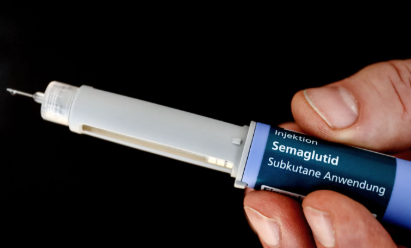
If you are considering semaglutide microdosing, it is important to approach the topic with clear criteria and practical knowledge. Semaglutide microdosing refers to administering lower doses of semaglutide than those typically prescribed for conditions like diabetes or weight management. This strategy is gaining attention for its potentially more gradual effects and reduced side effects, but careful evaluation is essential before starting any regimen.
Understanding Semaglutide Microdosing
Semaglutide is a medication originally developed to support blood sugar control and, more recently, weight management. Microdosing involves taking smaller amounts over time, aiming to achieve benefits with potentially fewer adverse reactions. Since semaglutide doses and effects can vary widely, exploring microdosing requires a nuanced view of dosage, timing, and individual health factors.
Key Considerations Before Starting Microdosing
1. Your Health Status and Goals
Before considering semaglutide microdosing, assess your current health condition and what you hope to achieve. Factors like existing medical conditions, medications, and personal health goals can influence whether microdosing is appropriate or safe. Consultation with a healthcare professional is crucial to tailor any plan to your unique needs.
2. Source and Quality of Semaglutide
Not all semaglutide products are created equal. Quality, purity, and formulation differences can impact the safety and effectiveness of microdosing. Investigate the source carefully and look for products that meet stringent quality standards. This step helps avoid risks associated with substandard or counterfeit medications.
3. Dosing Protocols and Adjustments
Microdosing is not a one-size-fits-all process. Understanding recommended starting doses, how to increase or decrease dosage, and monitoring response is essential. Reliable guidelines or protocols, ideally based on clinical insights or expert consensus, can provide a safer framework for microdosing.
4. Potential Side Effects and Monitoring
While the goal of microdosing is often to reduce side effects, they can still occur. Know the common reactions associated with semaglutide, such as digestive changes, and establish a plan for monitoring your condition. Regular check-ins with your healthcare provider can help catch any issues early.
Evaluating Microdosing Options: A Practical Framework
When deciding whether to pursue semaglutide microdosing and choosing between various approaches or products, consider the following evaluation criteria:
– Transparency: Does the source provide clear information about dosage, ingredients, and handling instructions?
– Evidence Basis: Are dosing recommendations supported by clinical studies or expert-reviewed protocols?
– Safety Measures: Is there guidance on side effect management and when to seek medical advice?
– User Support: Are healthcare consultations, educational materials, or customer service accessible?
– Regulatory Compliance: Does the product or service comply with relevant health regulations and quality standards?
Applying these criteria helps ensure a thoughtful and informed decision process, minimizing risks and enhancing potential benefits.
Where to Find Reliable Information on Semaglutide Microdosing
For those researching semaglutide microdosing, starting with comprehensive, well-structured resources is advisable. One such resource is the FormBlends guide, which offers detailed insights into microdosing semaglutide, including practical tips and important considerations.
Frequently Asked Questions
Is semaglutide microdosing suitable for everyone?
Microdosing semaglutide is not universally appropriate. Individual health conditions and goals vary, so medical consultation is essential to determine suitability.
How long does it take to see effects with microdosing?
Effects may develop more gradually with microdosing compared to standard doses. The timeline can differ based on dosage, individual response, and adherence to the regimen.
What are common side effects to watch for?
Digestive symptoms such as nausea or mild discomfort are common. Monitoring and communicating with a healthcare provider can help manage any side effects.
Final Note
This article provides informational guidance on semaglutide microdosing and does not replace professional medical advice. Always consult with a qualified healthcare provider before starting any new medication or dosing strategy.
What to verify before acting
Before a reader relies on any comparison about microdosing semaglutide, the safest move is to confirm the basics directly. Check when the page was last updated, whether the criteria are explained clearly, and whether the recommendation separates facts from marketing claims. It also helps to compare total cost, access requirements, support, refund language, and any limits that could change the real-world value of an option.
The goal is not to find a perfect answer from one article. The goal is to narrow the search to a short list, understand the tradeoffs, and know which questions to ask next. That approach is slower than clicking the first result, but it usually produces a better decision and reduces the chance of being pulled in by a page that ranks well without explaining enough.