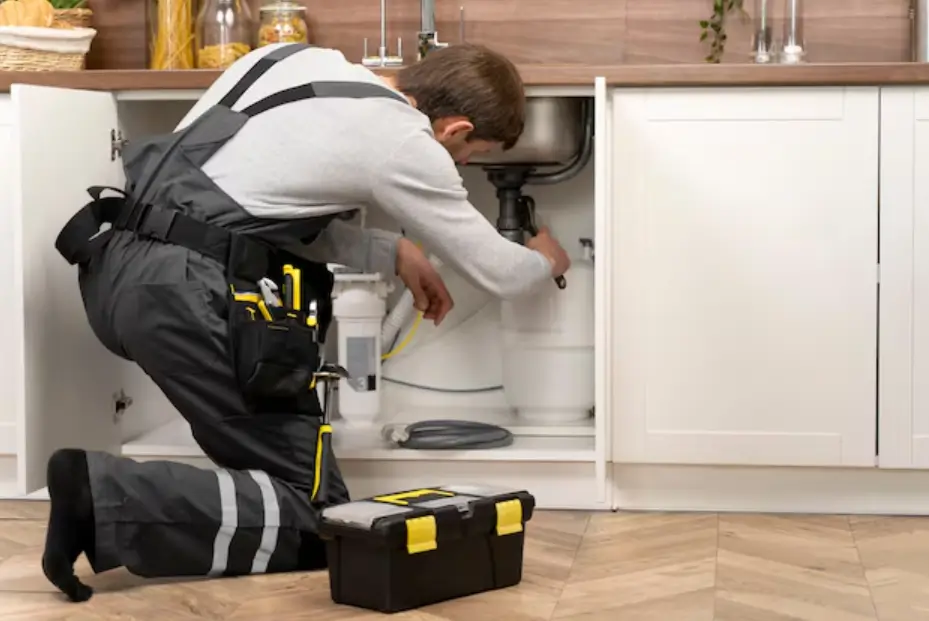
Commercial properties depend on efficient plumbing systems to support daily operations, maintain sanitation, and create comfortable environments for employees and visitors. From office buildings and restaurants to healthcare facilities and retail centers, reliable plumbing infrastructure plays a major role in keeping businesses running smoothly. As commercial buildings continue evolving with modern technology and sustainability goals, property owners are paying closer attention to system performance and preventative maintenance.
The increasing need for plumbing emergency repair services reflects how important rapid response and proactive planning have become for modern facilities. Unexpected leaks, drainage issues, and pipe failures can disrupt operations and create unnecessary complications if not handled quickly. Facility Network understands the importance of maintaining dependable plumbing systems that support safe, efficient, and uninterrupted business environments.
Commercial Plumbing Systems Are Becoming More Advanced
Commercial plumbing infrastructure has evolved significantly in recent years. Businesses are no longer relying solely on traditional systems. Modern facilities now integrate advanced technologies designed to improve efficiency, monitor water usage, and support long-term operational reliability.
Smart plumbing systems help businesses detect leaks early, monitor water pressure, and identify unusual usage patterns before problems escalate. These technologies support preventive maintenance strategies while reducing the risk of unexpected disruptions.
Commercial facilities are also prioritizing scalable plumbing solutions that can adapt to changing operational needs. As businesses expand and modernize, flexible infrastructure helps maintain efficient performance across larger and more complex properties.
Features shaping modern plumbing systems include:
- Smart leak detection systems
- Automated water monitoring tools
- Advanced pipe materials
- High-efficiency fixtures
- Water conservation technology
- Integrated building management systems
- Remote monitoring capabilities
Modern plumbing upgrades are helping businesses improve both operational performance and environmental responsibility.
Water Efficiency Is Driving Industry Changes
Water conservation has become a major priority for commercial property owners. Businesses are actively seeking ways to reduce unnecessary water usage while maintaining reliable system performance.
Efficient plumbing fixtures and water-saving technologies are becoming standard features in commercial buildings. Low-flow faucets, sensor-activated systems, and efficient restroom fixtures help reduce water waste without compromising functionality.
Businesses are also focusing on sustainable practices that align with broader environmental goals. Water-efficient plumbing systems contribute to improved resource management and stronger sustainability initiatives.
Benefits of water-efficient systems include:
- Reduced water waste
- Improved environmental performance
- Better operational efficiency
- Enhanced sustainability initiatives
- Lower strain on plumbing infrastructure
- Improved facility management
- Support for green building strategies
Water conservation continues shaping how businesses approach plumbing system upgrades and facility planning.
Preventive Maintenance Supports Business Continuity
Preventive maintenance has become one of the most important strategies for maintaining reliable plumbing systems in commercial facilities. Rather than waiting for major issues to appear, businesses are focusing on regular inspections and proactive care.
Routine maintenance helps identify worn components, hidden leaks, and drainage concerns before they develop into larger disruptions. This approach supports uninterrupted operations while helping businesses maintain safer and cleaner environments.
Commercial properties with high daily usage especially benefit from preventive plumbing care. Restaurants, healthcare facilities, hotels, and office buildings rely heavily on consistent plumbing performance to support customer satisfaction and operational efficiency.
Preventive maintenance practices often include:
- Pipe inspections
- Drain cleaning services
- Leak detection evaluations
- Water pressure testing
- Fixture performance checks
- Valve inspections
- Backflow prevention testing
A proactive maintenance plan helps businesses avoid unnecessary interruptions and maintain stronger facility performance.
Drainage Systems Require Consistent Attention
Drainage performance plays a critical role in maintaining healthy and efficient commercial properties. Poor drainage can lead to water buildup, unpleasant odors, sanitation concerns, and structural damage if not addressed properly.
Commercial facilities often experience higher drainage demands due to increased daily usage. Food debris, grease buildup, paper waste, and environmental debris can gradually impact system performance over time.
Businesses are investing in routine drainage maintenance to support cleaner and more reliable plumbing systems. Preventive care helps reduce blockages and improves long-term drainage efficiency.
Common drainage concerns include:
- Slow-draining sinks
- Grease accumulation
- Sewer line blockages
- Water backup issues
- Pipe corrosion
- Drain odor problems
- Stormwater drainage complications
Maintaining strong drainage performance supports cleaner, safer, and more efficient business operations.
Smart Technology Is Improving Plumbing Management
Technology is transforming how businesses monitor and manage commercial plumbing systems. Smart tools provide real-time insights that help property managers identify issues quickly and improve overall system efficiency.
Leak detection sensors are becoming increasingly common in commercial buildings. These devices can detect moisture changes and alert facility managers before significant water damage occurs.
Digital monitoring systems also help businesses track water consumption patterns and identify unusual activity. This information supports more informed maintenance planning and resource management.
Smart plumbing technologies include:
- Leak detection sensors
- Automated shutoff systems
- Water usage analytics
- Remote system monitoring
- Smart restroom fixtures
- Pressure monitoring tools
- Predictive maintenance software
Technology-driven plumbing management helps businesses improve reliability while reducing operational risks.
See also: Creative DIY Home Decor on a Budget
Plumbing Safety Standards Remain Essential
Safety remains one of the most important priorities for commercial plumbing systems. Faulty plumbing infrastructure can create sanitation concerns, water contamination risks, and property damage if not properly maintained.
Routine inspections help businesses ensure plumbing systems remain compliant with health and safety standards. Proper maintenance also helps prevent mold growth, water intrusion, and drainage complications that could impact indoor environments.
Commercial facilities with specialized operational requirements often require additional plumbing safeguards. Healthcare centers, food service businesses, and industrial properties rely heavily on safe and dependable water systems.
Important plumbing safety measures include:
- Regular system inspections
- Backflow prevention maintenance
- Leak prevention strategies
- Proper sanitation practices
- Water quality monitoring
- Secure pipe installations
- Emergency shutoff preparedness
Strong plumbing safety standards help protect employees, customers, and commercial properties alike.
Sustainable Plumbing Trends Continue Expanding
Sustainability is influencing nearly every aspect of commercial property management, including plumbing infrastructure. Businesses are increasingly adopting environmentally responsible practices designed to improve water conservation and reduce resource waste.
Greywater reuse systems are gaining attention in some commercial settings. These systems help recycle non-contaminated water for irrigation and other secondary applications. Rainwater harvesting systems are also becoming more common in sustainability-focused facilities.
Commercial properties are exploring plumbing solutions that support long-term environmental goals while maintaining strong operational efficiency.
Sustainable plumbing initiatives may include:
- Water reuse systems
- Rainwater collection solutions
- Energy-efficient water heating
- Eco-friendly fixture installations
- Reduced water consumption strategies
- Sustainable pipe materials
- Smart irrigation management
Businesses are recognizing the long-term value of environmentally conscious plumbing improvements.
Emergency Preparedness Protects Commercial Facilities
Unexpected plumbing failures can significantly impact business operations if organizations are not prepared to respond quickly. Burst pipes, severe leaks, drainage failures, and water damage incidents require immediate attention to minimize disruption.
Commercial property owners are focusing more on emergency preparedness strategies to protect their facilities. Clear response plans and regular system evaluations help businesses reduce operational downtime during urgent situations.
Preparedness also involves ensuring critical plumbing infrastructure remains accessible and properly maintained throughout the year.
Emergency preparedness strategies often include:
- Routine plumbing inspections
- Emergency shutoff accessibility
- Leak monitoring systems
- Backup water management plans
- Drainage system evaluations
- Rapid response coordination
- Preventive infrastructure maintenance
Strong emergency planning helps businesses respond more effectively to unexpected plumbing challenges.
Employee and Customer Comfort Matters
Plumbing systems directly affect the comfort and experience of everyone inside a commercial facility. Reliable restrooms, clean water access, and efficient sanitation systems contribute to positive workplace and customer environments.
Businesses are increasingly prioritizing modern plumbing upgrades that improve convenience and hygiene. Touchless fixtures, improved water pressure systems, and reliable drainage performance help create more comfortable and efficient spaces.
Commercial properties that maintain dependable plumbing infrastructure often support better employee satisfaction and stronger customer impressions.
Plumbing improvements supporting comfort include:
- Touchless restroom fixtures
- Reliable hot water systems
- Improved sanitation features
- Consistent water pressure
- Efficient drainage systems
- Cleaner restroom environments
- Better indoor hygiene management
Comfort-focused plumbing solutions contribute to healthier and more welcoming business environments.
Long-Term Planning Strengthens Facility Operations
Commercial plumbing systems require strategic planning to maintain dependable long-term performance. Businesses are moving away from reactive repairs and investing more in infrastructure planning that supports future growth and operational stability.
Long-term planning helps organizations identify aging components, evaluate system performance, and prioritize upgrades before larger problems develop. Flexible infrastructure also allows facilities to adapt more easily to changing operational demands.
Businesses that invest in long-term plumbing strategies often experience stronger reliability and improved facility management outcomes.
Long-term plumbing planning often focuses on:
- Infrastructure modernization
- Preventive maintenance scheduling
- Water efficiency improvements
- Smart technology integration
- Drainage system upgrades
- Sustainable plumbing solutions
- Future operational scalability
Strategic planning helps commercial properties maintain efficient and dependable plumbing systems over time.
Conclusion
Commercial plumbing systems play a critical role in supporting safe, efficient, and productive business environments. From water conservation and smart technology integration to preventive maintenance and emergency preparedness, modern plumbing strategies are helping businesses maintain stronger operational performance and long-term facility reliability.
As commercial properties continue evolving, dependable plumbing infrastructure remains essential for protecting daily operations and supporting positive employee and customer experiences. Facility Network understands the importance of delivering reliable plumbing support that helps businesses maintain safe and efficient facilities in changing operational environments.
If your organization is looking to improve plumbing performance, strengthen facility reliability, and support long-term operational success, contact us today to learn how professional plumbing solutions can help your commercial property operate at its best.