Woodworking projects, construction activities, and furniture manufacturing often produce large amounts of leftover wood materials. Managing this waste efficiently is essential for maintaining a clean, safe, and environmentally responsible workspace. Choosing the right wood waste container can help businesses and individuals organize waste disposal, improve operational efficiency, and support sustainable practices.
Whether you are managing a construction site, carpentry workshop, or renovation project, investing in a reliable container for wood waste can simplify daily operations and reduce unnecessary clutter. This blog explores the importance of wood waste management, the benefits of using dedicated containers, and how to select the best option for your needs.
Why Proper Wood Waste Management Matters
Wood waste may seem harmless compared to other industrial waste, but improper disposal can create several challenges. Piles of discarded wood can increase fire hazards, attract pests, and create unsafe working conditions. In addition, untreated wood waste often ends up in landfills, contributing to environmental pollution.
Using a dedicated wood waste container allows businesses to separate recyclable wood materials from general waste. This makes disposal easier and helps recycling facilities process materials more effectively. Many wood scraps can be reused for mulch, biomass fuel, engineered wood products, or other construction materials.
Efficient waste management also reflects positively on a company’s reputation. Clients and customers increasingly prefer businesses that follow environmentally responsible practices. By organizing wood waste properly, companies can demonstrate commitment to sustainability while improving workplace cleanliness.
Benefits of Using a Wood Waste Container
A high quality wood waste container offers several practical advantages for both commercial and residential projects.
Improved Workplace Safety
Loose wood scraps scattered around a job site can create tripping hazards and increase the risk of accidents. Sharp edges, nails, and splinters can also cause injuries to workers. Having a designated container for wood waste keeps debris in one secure location and minimizes safety concerns.
Better Organization
Construction and woodworking projects generate waste quickly. Without proper disposal systems, workspaces can become cluttered and difficult to manage. A dedicated container helps maintain order and allows workers to focus on productivity rather than cleanup.
Easier Waste Disposal
Transporting large amounts of wood waste manually can be time consuming and labor intensive. Wood waste containers simplify collection and disposal by providing a central location for all discarded materials. Many containers are designed for easy loading and transportation, reducing handling efforts.
Environmental Responsibility
Recycling wood waste becomes much easier when materials are separated correctly. Dedicated containers help ensure that recyclable wood is not mixed with hazardous or non recyclable waste. This supports eco friendly disposal methods and reduces landfill usage.
Cost Efficiency
Proper waste management can lower disposal costs over time. Organized waste collection reduces cleanup hours and improves operational efficiency. Some recycling facilities may even offer lower disposal rates for separated wood waste materials.
Common Industries That Use Containers for Wood Waste
Many industries rely on specialized containers to manage wood debris effectively. These containers are valuable in environments where wood waste accumulates regularly.
Construction Sites
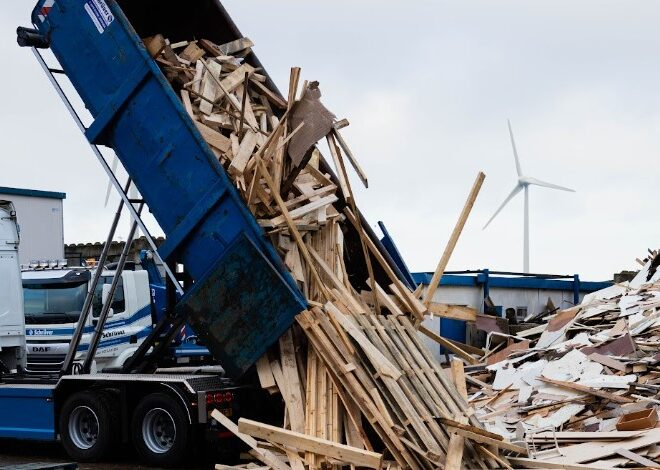
Building and demolition projects generate large quantities of wood scraps, pallets, plywood, and framing materials. Containers provide a convenient solution for collecting and disposing of debris efficiently.
Furniture Manufacturing
Furniture factories produce leftover wood pieces during cutting and shaping processes. A wood waste container helps maintain a clean production environment and streamlines recycling efforts.
Carpentry Workshops
Small and large woodworking shops benefit from organized waste disposal systems. Containers help carpenters manage sawdust, wood offcuts, and damaged materials with ease.
Landscaping Businesses
Tree trimming and landscaping services often collect branches, wood chips, and timber waste. Dedicated containers make transportation and disposal more manageable.
Renovation Projects
Home remodeling projects frequently involve removing wooden flooring, cabinets, and structural materials. A container for wood waste keeps renovation sites cleaner and safer.
Choosing the Right Container for Wood Waste
Selecting the appropriate container depends on several factors, including project size, waste volume, and disposal requirements. Understanding your specific needs can help you choose the most effective option.
Consider the Container Size
Containers are available in various sizes to accommodate different project demands. Small workshops may require compact bins, while large construction projects often need high capacity roll off containers. Choosing the right size prevents overflow and ensures efficient waste handling.
Evaluate Material Strength
Wood waste can be heavy and bulky. Durable containers made from strong steel or reinforced materials are ideal for handling large loads without damage.
Check Mobility Features
Some projects require containers that can be moved easily across worksites. Containers with wheels or forklift compatibility offer greater flexibility for transportation.
Assess Loading Accessibility
Easy access is important for efficient waste disposal. Open top containers or side loading designs allow workers to dispose of wood debris quickly and safely.
Ensure Compliance with Local Regulations
Different regions may have specific guidelines for waste disposal and recycling. Choosing containers that support proper waste separation can help businesses comply with environmental regulations.
See also: 7 Signs Your Business Infrastructure Needs a RAM Upgrade Today
Sustainable Disposal Practices for Wood Waste
Using a container for wood waste is only part of an effective waste management strategy. Businesses should also focus on sustainable disposal methods to maximize environmental benefits.
Recycling Wood Materials
Many types of untreated wood can be recycled into new products. Recycled wood is commonly used for particleboard, mulch, compost, and biomass energy production.
Reusing Wood Scraps
Some leftover wood pieces can be repurposed for smaller projects, packaging materials, or repairs. Reusing materials helps reduce waste generation and lowers material costs.
Separating Treated and Untreated Wood
Treated wood may contain chemicals that require specialized disposal methods. Separating treated wood from recyclable materials is important for safe processing.
Partnering with Waste Management Experts
Professional waste management companies can provide guidance on proper disposal practices and recommend suitable container solutions for specific industries.
Features to Look for in a Quality Wood Waste Container
Not all containers are designed equally. Investing in a well built solution ensures durability, convenience, and long term value.
Important features include:
- Heavy duty construction for handling bulky materials
- Corrosion resistant coatings for outdoor use
- Secure lids or covers to prevent debris scattering
- Large capacity for high volume waste collection
- Easy transportation and loading mechanisms
- Compatibility with recycling and disposal systems
Choosing a reliable container improves efficiency and reduces maintenance costs over time.
The Growing Importance of Sustainable Waste Solutions
As industries continue to prioritize sustainability, the demand for efficient waste management systems is increasing. Companies are recognizing the value of organized recycling and responsible disposal practices. A dedicated wood waste container plays an important role in achieving these environmental goals.
Governments and environmental organizations are also encouraging businesses to reduce landfill waste through recycling initiatives. By adopting smarter waste management practices, companies can contribute to a cleaner environment while improving operational performance.
Investing in the right container for wood waste is more than a practical decision. It is a step toward safer worksites, improved productivity, and environmentally responsible business operations.
Contact us today to learn more about our container options and find the right solution for your wood waste management needs.