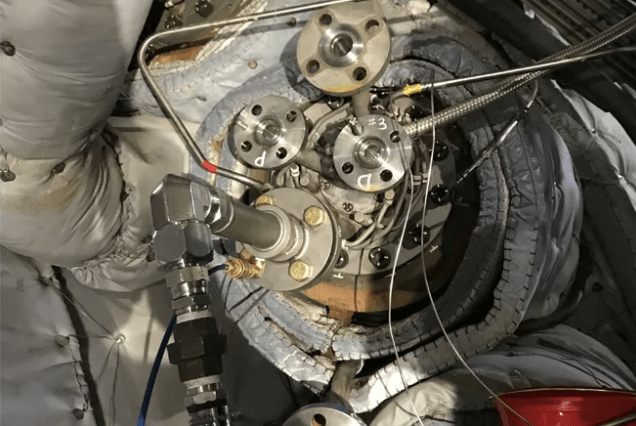
In today’s competitive energy and industrial landscape, maximizing return on investment (ROI) is a top priority for plant managers and decision-makers. Turbine systems—whether in power generation, oil and gas, or industrial applications—represent significant capital investments. Ensuring these assets operate efficiently over the longest possible lifecycle is essential for maintaining profitability and operational stability.
While major components often receive the most attention, smaller yet critical parts like fuel nozzles can have a disproportionate impact on performance, cost, and reliability. Over time, fuel nozzles are exposed to extreme operating conditions that lead to wear, clogging, and performance degradation. Instead of defaulting to replacement, many organizations are turning to fuel nozzle repair services as a strategic approach to lifecycle management.
By integrating repair into long-term asset strategies, companies can reduce costs, extend component life, minimize downtime, and significantly improve overall ROI. This article explores how fuel nozzle repair supports a lifecycle-driven approach to turbine management and why it is a smart investment for forward-thinking operators.
Understanding Lifecycle Management in Turbine Operations
Lifecycle management is the practice of optimizing the performance, maintenance, and cost of equipment throughout its operational life. Rather than focusing solely on immediate fixes or short-term gains, it emphasizes long-term efficiency, reliability, and sustainability.
For turbine systems, lifecycle management involves:
- Preventive and predictive maintenance
- Performance monitoring and optimization
- Strategic repair and refurbishment
- Cost-effective replacement planning
Fuel nozzles, as key components in the combustion process, play a vital role in this strategy. Their condition directly affects fuel efficiency, emissions, and the health of surrounding components. Incorporating fuel nozzle repair services into lifecycle management ensures these critical elements continue to perform at optimal levels without unnecessary capital expenditure.
The Economic Advantage of Repair Over Replacement
One of the most compelling reasons to adopt repair-focused strategies is the cost advantage. Replacing fuel nozzles can be expensive, particularly when dealing with large fleets or specialized turbine systems.
Lower Upfront Costs
Repairing existing components typically costs significantly less than purchasing new ones. This allows organizations to allocate resources more efficiently while maintaining performance.
Reduced Inventory and Procurement Expenses
Replacement often requires maintaining spare inventory or dealing with long lead times. Fuel nozzle repair services provide faster turnaround, reducing the need for extensive inventory management.
Avoiding Capital Expenditure
By extending the life of existing components, repair strategies delay the need for large capital investments. This improves cash flow and supports better financial planning.
From an ROI perspective, these cost savings can be substantial, especially when applied across multiple units and over extended periods.
Extending Component Life Through Professional Repair
Fuel nozzles are subjected to harsh conditions, including high temperatures, pressure fluctuations, and fuel impurities. Over time, these factors lead to issues such as carbon buildup, erosion, and thermal fatigue.
Professional fuel nozzle repair addresses these challenges through advanced processes, including:
- Deep cleaning to remove deposits
- Dimensional restoration to correct wear
- Replacement of damaged parts
- Precision calibration and flow testing
These steps restore the nozzle to near-original performance, effectively extending its usable life. Instead of discarding components prematurely, operators can maximize their value and reduce waste.
Extended component life not only improves ROI but also contributes to sustainability by minimizing the need for new manufacturing and resource consumption.
Reducing Downtime and Improving Operational Continuity
Unplanned downtime is one of the most significant cost drivers in turbine operations. Even short outages can result in lost production, contractual penalties, and increased operational stress.
Faster Turnaround Times
Compared to replacement, fuel nozzle repair services often have shorter turnaround times. This allows operators to return equipment to service more quickly, minimizing disruptions.
Preventing Unexpected Failures
Regular inspection and repair help identify potential issues before they lead to failure. This proactive approach reduces the likelihood of emergency shutdowns.
Supporting Planned Maintenance Schedules
Repair services can be integrated into scheduled maintenance cycles, ensuring that nozzles are serviced without impacting overall operations.
By reducing downtime and improving predictability, repair strategies play a crucial role in maintaining continuous and efficient operations.
See also: Why Bookkeeping for Beauty Salons is Key to a Thriving Business
Enhancing Reliability Across Turbine Systems
Reliability is a cornerstone of successful turbine operations. Inconsistent performance or frequent failures can erode profitability and damage operational confidence.
Consistent Combustion Performance
Well-maintained fuel nozzles ensure proper fuel atomization and distribution, leading to stable combustion. This stability reduces the risk of vibration, hot spots, and other issues that can compromise reliability.
Protecting Critical Components
Faulty nozzles can cause uneven combustion, which places additional stress on components such as combustors, transition pieces, and turbine blades. Repairing nozzles helps prevent this secondary damage.
Improving System Predictability
Reliable fuel delivery leads to predictable turbine behavior, making it easier to plan maintenance and optimize performance.
Incorporating fuel nozzle repair services into maintenance strategies ensures that turbines operate consistently and reliably over time.
Fuel Efficiency and Cost Optimization
Fuel costs represent a significant portion of operational expenses in turbine-based systems. Even small improvements in efficiency can lead to substantial savings.
Restoring Optimal Combustion
Degraded nozzles often result in incomplete combustion, wasting fuel and reducing efficiency. Repair services restore proper spray patterns and fuel-air mixing, improving combustion efficiency.
Lowering Fuel Consumption
Efficient combustion means less fuel is required to achieve the same output. Over time, this reduction in fuel usage translates into significant cost savings.
Supporting Emissions Compliance
Efficient combustion also reduces emissions, helping operators meet regulatory requirements without additional investments in emissions control technologies.
By improving fuel efficiency, fuel nozzle repair directly contributes to cost optimization and enhanced ROI.
Integrating Repair Services into Lifecycle Strategy
To fully realize the benefits of repair, organizations must integrate fuel nozzle repair services into a broader lifecycle management framework.
Preventive Maintenance Programs
Establishing regular maintenance schedules ensures that nozzles are inspected and serviced before issues become critical.
Predictive Maintenance Using Data
Advanced monitoring systems can detect early signs of performance degradation, allowing for timely intervention.
Collaboration with Expert Service Providers
Partnering with experienced repair providers ensures access to advanced technology, skilled technicians, and high-quality results.
Continuous Performance Monitoring
Tracking key metrics such as fuel consumption, emissions, and output helps identify trends and optimize maintenance strategies.
This integrated approach ensures that repair efforts align with long-term operational and financial goals.
Sustainability and Environmental Benefits
In addition to financial advantages, repair-focused strategies support sustainability initiatives.
Reducing Material Waste
Repairing components instead of replacing them reduces the amount of waste generated, contributing to more sustainable operations.
Lowering Carbon Footprint
Manufacturing new components requires energy and resources. By extending the life of existing parts, organizations can reduce their overall environmental impact.
Supporting ESG Goals
Many companies are prioritizing environmental, social, and governance (ESG) objectives. Fuel nozzle repair services align with these goals by promoting resource efficiency and responsible asset management.
Sustainability is increasingly becoming a key factor in decision-making, and repair strategies offer a practical way to achieve these objectives.
Realizing Long-Term ROI
The true value of fuel nozzle repair services becomes evident over the long term. By combining cost savings, improved efficiency, and enhanced reliability, repair strategies deliver a strong and measurable return on investment.
Key ROI Drivers
- Reduced capital expenditure
- Lower operational costs
- Extended equipment lifespan
- Improved system performance
- Minimized downtime
When these factors are considered together, the financial benefits of repair far outweigh the costs, making it a highly effective strategy for asset management.
Best Practices for Maximizing ROI
To maximize the return on investment from repair services, organizations should follow these best practices:
- Schedule regular inspections and maintenance
- Use high-quality fuels to reduce deposit formation
- Monitor performance metrics closely
- Address issues promptly to prevent escalation
- Work with reputable and experienced repair providers
These practices ensure that repair efforts deliver consistent and long-lasting benefits.
Conclusion
Fuel nozzles may be small components, but their impact on turbine performance, efficiency, and reliability is significant. By adopting a lifecycle management approach and integrating fuel nozzle repair services into maintenance strategies, organizations can unlock substantial value.
From reducing costs and extending component life to improving reliability and minimizing downtime, fuel nozzle repair offers a practical and ROI-driven solution for modern turbine operations. It allows plant managers and executives to optimize performance while maintaining control over operational expenses.
In an industry where efficiency and reliability are critical, repair-focused strategies are not just an option—they are a necessity. By investing in the right approach today, organizations can ensure long-term success, sustainability, and profitability in the years to come.