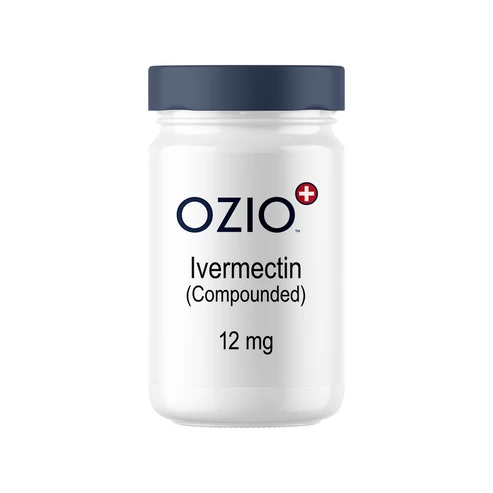
Prescription medicines are generally manufactured in standard strengths and dosage forms to meet established treatment requirements. However, some patients have medical needs that cannot be adequately addressed by an available commercial product. In these circumstances, pharmaceutical compounding may provide an alternative prepared for an individual patient’s requirements.
Compounded capsules are one example of this practice. They are prepared by combining or adjusting pharmaceutical ingredients to create a medication in a particular formulation. Although compounding can address certain treatment challenges, it requires professional oversight, appropriate preparation standards, and a clear medical reason.
Understanding how compounded capsules are prepared, why they may be prescribed, and what precautions apply can help patients make informed decisions about their medication.
What Are Compounded Capsules?
Compounded capsules are medications prepared by a qualified pharmacist or another authorised professional using specific pharmaceutical ingredients. Unlike mass-produced medicines, they are prepared to meet an identified patient’s requirements. Ivermectin compounded capsules may be discussed in certain clinical situations where a healthcare provider determines that a customised formulation is appropriate.
The preparation process may involve selecting an appropriate active ingredient, measuring the required quantity, and placing the formulation into a suitable capsule. The pharmacist must also consider the compatibility of ingredients, the stability of the preparation, and the conditions under which the finished product should be stored.
Compounding is not simply a matter of changing the appearance of a medicine. It involves pharmaceutical calculations and preparation procedures that require appropriate knowledge and equipment.
A compounded capsule may be considered when an approved commercial medication cannot meet a patient’s medical needs. However, the decision should be based on a genuine clinical requirement rather than personal preference alone. Patients should consult a qualified healthcare provider to understand the suitability and safety considerations before considering any compounded medication.
Why Some Patients May Require Compounded Medication
Standard medicines are designed for broad patient populations. Their strengths, inactive ingredients, and available formulations are determined during the manufacturing process.
Some patients experience difficulties with these standard options. Compounding may help address particular problems, including:
Allergies to inactive ingredients: Commercial medicines may contain dyes, preservatives, lactose, or other inactive ingredients. A patient with a documented allergy or intolerance may require an alternative formulation.
Difficulty swallowing tablets: Older adults, children, and people with certain medical conditions may struggle to swallow conventional tablets. A pharmacist may be able to prepare another suitable dosage form when clinically appropriate.
Specific formulation requirements: A patient may require a preparation that differs from the available commercial product because of a documented medical need.
Medication availability: In certain circumstances, a compounded preparation may be considered when an appropriate commercial medicine is unavailable. Applicable regulations and professional guidance determine when this is permitted.
These situations demonstrate that compounding has a recognised place in healthcare. It is not intended to replace approved medicines whenever a patient prefers a different formulation.
How Compounding Differs From Standard Pharmaceutical Manufacturing
Commercial medicines are produced through established manufacturing processes. Before an FDA-approved medicine is marketed, the manufacturer must meet regulatory requirements relating to safety, effectiveness, quality, and production.
Compounded medications follow a different regulatory pathway. In the United States, compounded drugs are not FDA-approved. The FDA does not review their safety, effectiveness, or quality before they are marketed in the same way it reviews approved medicines.
This distinction matters because patients should not assume that a compounded capsule has undergone the same premarket evaluation as an approved commercial product.
Compounding pharmacies must follow applicable legal and professional standards. However, preparation quality can vary, and poor practices may result in contamination, incorrect ingredient quantities, or problems with the finished medication.
Patients should understand these differences before accepting a compounded prescription.
The Role of Pharmacists in Preparing Compounded Capsules
Pharmacists have an important responsibility in evaluating and preparing compounded medications. Their work involves more than measuring ingredients and filling capsules.
The process begins with reviewing the prescription and confirming that the requested preparation is appropriate. The pharmacist considers the active ingredient, required strength, available ingredients, compatibility, and any relevant patient-specific concerns.
Preparation may involve the following stages:
- Reviewing the prescription and confirming the intended formulation.
- Checking the identity and quality of pharmaceutical ingredients.
- Calculating and measuring the required quantities.
- Preparing the formulation using suitable equipment.
- Following appropriate quality-control and documentation procedures.
- Labelling the finished capsules with clear directions and storage information.
Each stage requires care because errors involving ingredient measurement or preparation conditions can affect the quality of the finished medication.
Patients should use a pharmacy that operates under the relevant licensing and regulatory requirements in their location.
Understanding Strength, Formulation, and Ingredient Information
The strength of a compounded capsule refers to the amount of active ingredient contained in each unit. This information should be clearly documented on the prescription label.
Patients should not assume that two capsules with the same active ingredient are automatically equivalent. Their inactive ingredients, preparation methods, release characteristics, and other formulation details may differ.
For example, a compounded capsule may contain an ingredient that is absent from a commercially manufactured tablet. Someone with an allergy may benefit from discussing this difference with a pharmacist.
The label should identify the medication, strength, instructions, pharmacy information, and any relevant storage precautions. Patients who notice unclear directions or differences between the label and prescription should seek clarification before taking the medication.
Safety and Quality Concerns Associated With Compounded Medication
Compounded medication can meet a legitimate medical need, but it also carries risks that patients should understand.
An incorrectly prepared capsule may contain too much or too little active ingredient. Contamination may occur if appropriate preparation standards are not followed. Stability problems can also affect the medication if ingredients are incompatible or storage conditions are unsuitable.
The FDA has reported serious risks associated with poor-quality compounded drugs, including contamination and incorrect concentrations.
Patients can reduce avoidable risks by asking their pharmacist about the pharmacy’s licensing, preparation standards, ingredient sourcing, and quality-control procedures.
They should also check the packaging for a beyond-use date, storage instructions, and contact details. A beyond-use date is not necessarily the same as the expiry date used for commercially manufactured medicines.
Capsules should be kept away from excessive heat, moisture, and direct sunlight when the label requires these precautions.
Compounded Capsules and Prescription Medicines Such as Ivermectin
Ivermectin is an antiparasitic medicine used for certain parasitic infections. It is available in approved human formulations for specific medical purposes.
The availability of a compounded formulation does not automatically make it more suitable than an approved commercial product. A healthcare provider must determine whether there is a genuine reason to consider compounding.
For example, a patient may have a documented problem with an ingredient in an available commercial formulation. A qualified professional can assess whether a legally permissible alternative preparation is appropriate.
Patients should not request a compounded ivermectin capsule simply to obtain a preferred strength or bypass normal prescription requirements. The treatment decision must remain connected to a confirmed medical indication and an appropriate prescription.
Compounded and commercially manufactured ivermectin products should not be assumed to have identical quality evaluations or regulatory status.
What Patients Should Ask Before Accepting a Compounded Prescription
Patients can improve their understanding of a compounded medication by discussing the preparation with both the prescriber and pharmacist.
Useful questions include:
- Why is a compounded capsule necessary in my situation?
- Is an approved commercial formulation available?
- What active and inactive ingredients does the capsule contain?
- What strength has been prescribed?
- Which pharmacy will prepare the medication?
- What quality-control procedures are followed?
- How should the capsules be stored?
- What is the beyond-use date?
- What should I do if the capsules look different from the previous supply?
These questions help clarify the purpose and limitations of the preparation.
Responsible Use and Ongoing Professional Guidance
Compounded capsules should always be used according to the instructions provided by the prescribing professional. Patients should not open capsules, divide their contents, combine preparations, or change the prescribed schedule without first checking with a pharmacist or healthcare provider.
Any unexpected reaction should be reported promptly. Patients should also inform their healthcare provider about other medicines and supplements they are taking, as these may affect treatment decisions.
Personalized medication can be valuable when a standard product does not meet a genuine medical requirement. However, the benefits depend on appropriate prescribing, careful preparation, reliable ingredient sourcing, and patient education.
Compounded capsules therefore represent a specialised part of pharmaceutical care. Their use should be supported by a clear clinical reason and appropriate professional supervision, allowing patients to understand both the purpose of their medication and the precautions associated with it.