The integration of advanced technologies in smart retail is reshaping consumer experiences. Retailers are leveraging artificial intelligence, IoT, and big data to gain insights into customer behavior and streamline operations. These innovations enhance personalization and operational efficiency, creating a more engaging shopping environment. As trends like augmented reality and cashierless systems emerge, the retail landscape continues to evolve. What implications do these technologies hold for the future of consumer interactions?
How Artificial Intelligence Is Personalizing the Shopping Experience
Artificial Intelligence (AI) is revolutionizing the retail landscape by offering personalized shopping experiences that cater to individual consumer preferences.
Through sophisticated algorithms, AI analyzes customer behavior to deliver personalized recommendations, enhancing the virtual shopping experience. This tailored approach not only fosters consumer engagement but also empowers shoppers, allowing them to explore products that resonate with their unique tastes and needs.
The Role of IoT In Streamlining Retail Operations
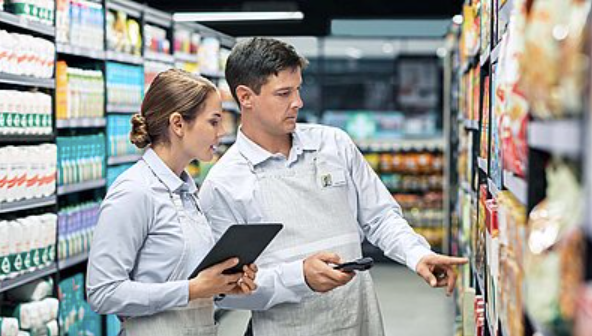
As retail businesses increasingly embrace technology, the Internet of Things (IoT) emerges as a critical component in optimizing operations and enhancing efficiency.
IoT facilitates seamless inventory management, allowing real-time tracking and replenishment, which minimizes excess stock and reduces costs.
Furthermore, it enhances customer engagement through personalized experiences and targeted promotions, ultimately driving sales and fostering stronger connections between retailers and consumers.
Using Big Data To Understand Consumer Behavior
While retail businesses increasingly rely on technology to enhance their strategies, the utilization of big data stands out as a pivotal tool for understanding consumer behavior.
Through customer segmentation, retailers can categorize shoppers based on preferences and buying habits.
Predictive analytics further empowers businesses to forecast trends and tailor marketing efforts, ultimately fostering a more personalized shopping experience that resonates with individual consumers.
See also:Technology in Skills Development and Training
Future Trends: What’s Next For Smart Retail Technology?
The landscape of smart retail technology is rapidly evolving, driven by advancements in artificial intelligence, machine learning, and the Internet of Things (IoT).
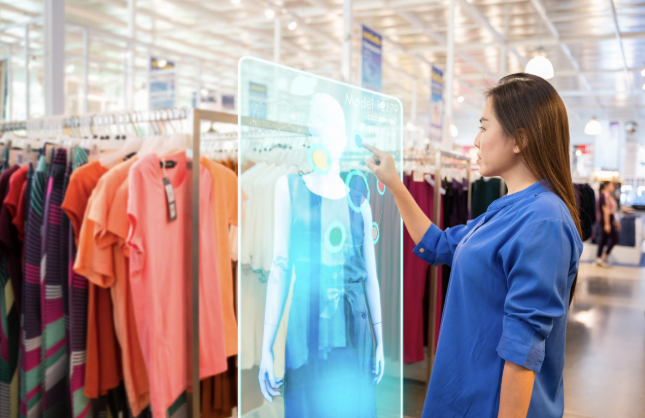
Future trends indicate a surge in augmented reality applications, enhancing customer engagement through immersive experiences.
Additionally, cashierless checkout systems are set to revolutionize transactions, offering consumers unparalleled convenience and autonomy, ultimately reshaping the retail environment towards greater efficiency and personalization.
Conclusion
In conclusion, the integration of technology in smart retail is revolutionizing the consumer experience, evidenced by a 2023 report indicating that 80% of shoppers prefer personalized recommendations. As artificial intelligence, IoT, and big data continue to evolve, retailers can better understand and engage their customers, resulting in optimized operations and enhanced satisfaction. Looking ahead, the emergence of trends like augmented reality and cashierless checkouts will further transform retail interactions, solidifying the importance of innovation in this sector.