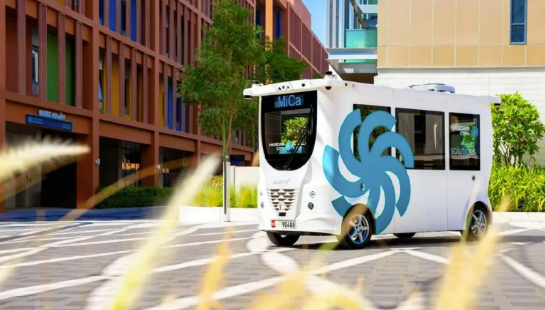
The integration of technology in skills development and training has transformed traditional educational models. E-learning platforms provide flexible access to resources, while AI-driven systems tailor learning experiences to individual needs. Additionally, virtual reality introduces immersive scenarios for practical application. However, challenges such as digital literacy and accessibility remain. As these innovations shape the future of education, it raises questions about their long-term implications on workforce readiness and the nature of learning itself.
The Role of E-Learning Platforms in Modern Training
E-learning platforms revolutionize modern training by providing flexible and accessible learning environments that cater to diverse learner needs.
These platforms leverage interactive content to engage users, fostering deeper understanding and retention.
With mobile accessibility, learners can seamlessly access training materials anytime, anywhere, empowering them to take control of their education.
This innovative approach ensures that skills development aligns with the demands of an evolving workforce.
How Is Virtual Reality Enhancing Skills Development?
How can virtual reality (VR) transform skills development in today’s fast-paced learning environment?
VR offers immersive experiences that facilitate realistic simulations, enabling learners to practice and refine skills in safe, controlled settings.
This innovative approach not only enhances engagement but also allows for immediate feedback, fostering deeper understanding and retention.
Consequently, VR redefines traditional training methods, empowering individuals to achieve their full potential.
Benefits of AI-Driven Personalized Learning Experiences
A significant advantage of AI-driven personalized learning experiences lies in their ability to tailor educational content to the unique needs and preferences of each learner.
By leveraging adaptive learning techniques and data analytics, these systems continually assess user performance, optimizing the learning pathway.
This dynamic approach fosters greater engagement, autonomy, and retention, empowering individuals to pursue knowledge in a manner that resonates with their personal learning styles.
See also: officialbusinessnews
Overcoming Challenges in Technology-Enhanced Training
Numerous challenges arise in the realm of technology-enhanced training, necessitating strategic solutions to ensure effective implementation.
Enhancing digital literacy remains crucial for both educators and learners to navigate digital platforms confidently.
Additionally, improving training accessibility can bridge gaps, allowing diverse populations to benefit.
Conclusion
In conclusion, the integration of technology in skills development and training has transformed the educational landscape, offering unprecedented flexibility and personalization. As e-learning platforms, virtual reality, and AI-driven experiences continue to evolve, one must consider: how can we ensure that all learners, regardless of their background, access these vital resources? By addressing challenges such as digital literacy and accessibility, society can empower individuals with the skills needed to thrive in an ever-changing workforce, fostering a more equitable future.