In the realm of smart retail systems, technology serves as a critical driver for operational enhancement and customer engagement. The integration of AI and IoT allows for unprecedented personalization and efficiency. Retailers can harness data analytics to tailor experiences and optimize inventory management. However, the implementation of these technologies is not without challenges. Understanding these complexities is essential for retailers aiming to adapt and thrive in a rapidly evolving marketplace. What factors will determine success in this digital transformation?
How AI Enhances Personalized Shopping Experiences
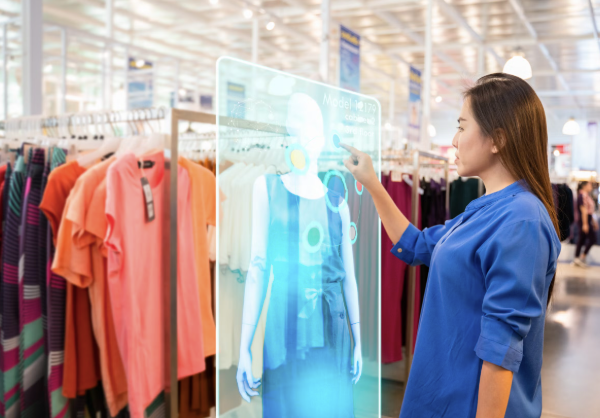
As consumers increasingly demand tailored shopping experiences, retailers are leveraging artificial intelligence (AI) to enhance personalization at every stage of the customer journey.
AI recommendations utilize sophisticated algorithms to analyze customer segmentation, delivering targeted product suggestions that resonate with individual preferences.
This strategic application of AI not only optimizes engagement but also fosters loyalty, empowering customers to explore personalized options freely.
The Role of IoT in Streamlining Retail Operations
While the digital transformation of retail continues to evolve, the Internet of Things (IoT) emerges as a pivotal force in streamlining operations.
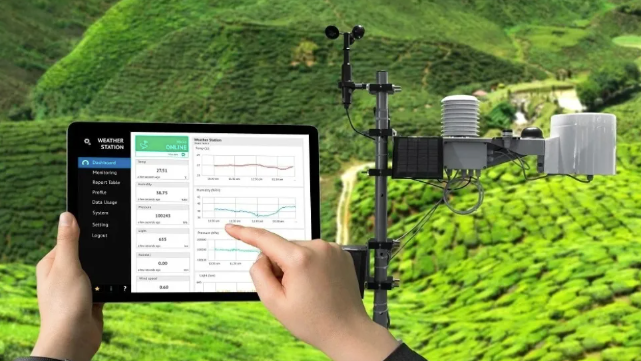
By integrating smart sensors and devices, retailers enhance inventory management accuracy, reducing excess stock and minimizing shortages.
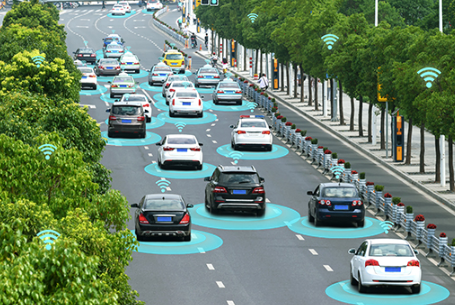
Furthermore, IoT facilitates real-time data exchange, fostering improved customer engagement through personalized interactions and timely responses, ultimately driving operational efficiency and customer satisfaction.
Harnessing Big Data for Strategic Decision-Making
A growing number of retailers are leveraging big data to drive strategic decision-making processes that enhance competitiveness and operational efficiency.
By employing advanced data analytics, retailers analyze consumer behavior patterns and preferences, allowing for targeted marketing strategies and inventory optimization.
This data-driven approach not only improves customer satisfaction but also enables businesses to adapt swiftly to market trends, ensuring sustained growth.
See also: Technology in Smart Retail
Overcoming Challenges in Implementing Smart Retail Technologies
The integration of big data analytics has undoubtedly transformed strategic decision-making in retail, yet the journey toward implementing smart retail technologies is fraught with challenges that must be addressed.
Key hurdles include cost considerations, which can inhibit investment, and the necessity for comprehensive staff training to ensure effective technology utilization.
Overcoming these obstacles is essential for retailers seeking to leverage smart technologies for enhanced operational efficiency.
Conclusion
In the vibrant tapestry of smart retail systems, technology weaves together threads of innovation and efficiency. As AI crafts personalized experiences and IoT orchestrates seamless operations, the retail landscape transforms into a dynamic marketplace. Big data emerges as a guiding star, illuminating strategic pathways for decision-making amidst challenges. Yet, the journey demands continuous investment, ensuring that retailers not only navigate but thrive in the ever-evolving currents of consumer expectations and market trends, securing their place in the future of retail.