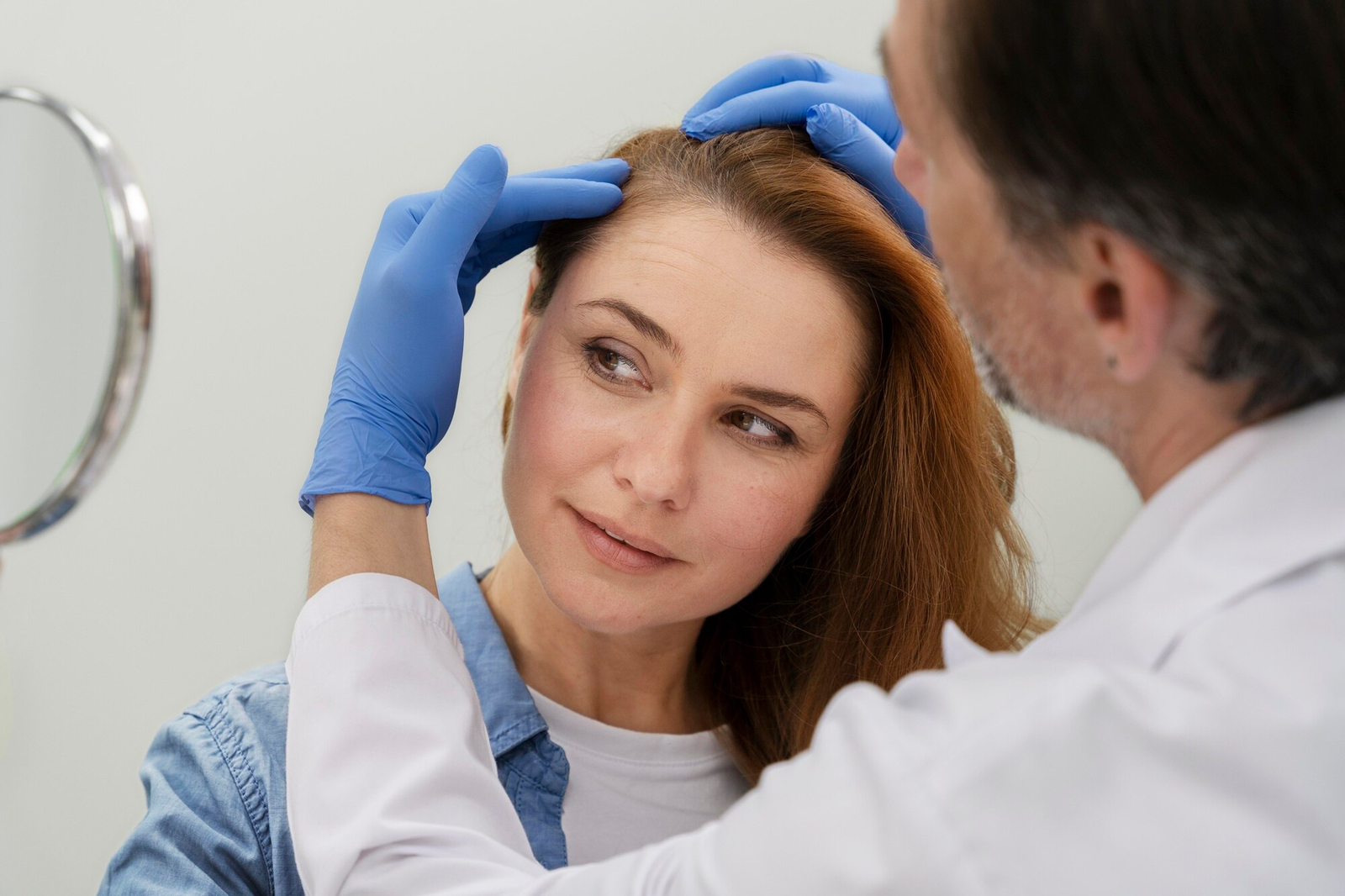
Hair loss is often associated with men, but many women also experience thinning hair and reduced hair density at different stages of life. For some women, hair loss affects confidence, self-image, and everyday styling choices. As hair restoration techniques continue to improve, more women are now considering surgical options such as hair transplant procedures.
In recent years, Melbourne hair transplant clinics have seen increasing interest from female patients looking for long-term solutions to hair thinning. Modern techniques offer more natural-looking results and less invasive procedures than older methods, making hair transplant for women a more widely discussed option.
This article explains how women may benefit from hair transplant procedures in Melbourne and what to understand before considering treatment.
Understanding Hair Loss in Women
Hair loss in women often appears differently compared to men. Instead of a receding hairline, women usually experience diffuse thinning across the scalp, particularly around the crown or part line.
See also: Environmental Monitoring Technologies Explained
Common Causes of Hair Loss in Women
Hair thinning may result from:
- Genetics and family history
- Hormonal changes
- Stress and lifestyle factors
- Nutritional deficiencies
- Medical conditions affecting the scalp
Hair loss may also happen after pregnancy, during menopause, or because of certain medications.
Emotional Impact of Hair Loss
For many women, hair is closely linked to personal identity and confidence. Ongoing thinning can affect:
- Self-esteem
- Hairstyling options
- Social confidence
Because of this, many women explore both non-surgical and surgical restoration options.
What Is a Hair Transplant for Women?
A hair transplant involves moving healthy hair follicles from one area of the scalp to areas experiencing thinning or hair loss.
How the Procedure Works
Most Melbourne hair transplant clinics use modern methods such as:
- FUE (Follicular Unit Extraction)
- DHI (Direct Hair Implantation)
These techniques involve extracting individual hair follicles and implanting them into thinning areas.
Why Modern Techniques Appeal to Women
Modern transplant procedures are often preferred because they:
- Leave minimal visible scarring
- Allow more precise follicle placement
- Offer natural-looking density
- Require less recovery time than older methods
This makes them more suitable for women who prefer discreet treatment options.
Benefits of Hair Transplant Procedures for Women
Hair transplant procedures can offer several potential benefits for suitable female candidates.
Improved Hair Density
One of the main goals of hair transplantation is increasing density in thinning areas.
Areas Commonly Treated
Women may seek treatment for:
- Widening part lines
- Crown thinning
- Hairline refinement
- Areas affected by traction hair loss
Improved density can help hair appear fuller and easier to style.
Natural-Looking Results
Modern Melbourne hair transplant procedures focus heavily on creating natural-looking outcomes.
Importance of Precise Placement
Practitioners carefully consider:
- Hair direction
- Angle of growth
- Existing hair pattern
- Facial proportions
This helps transplanted hair blend with natural hair more effectively.
Long-Term Hair Restoration
Unlike temporary cosmetic solutions, transplanted follicles are generally intended to provide long-term growth.
Ongoing Hair Growth
Once the transplanted follicles settle and begin growing, they typically continue producing hair naturally over time.
However, patients may still need additional treatments to manage ongoing thinning in untreated areas.
Greater Styling Flexibility
Hair thinning can limit hairstyle options for some women.
How Transplants May Help
Improved density may allow women to:
- Wear hair with more volume
- Reduce reliance on hair fibres or extensions
- Feel more comfortable with different hairstyles
This can improve day-to-day confidence and convenience.
Melbourne Hair Transplant Clinics and Female Patients
Melbourne has become a well-known location for advanced hair restoration treatments.
Access to Modern Technology
Many clinics in Melbourne offer:
- Advanced transplant methods
- Personalised treatment plans
- Female-focused hair restoration assessments
Consultations are often tailored specifically for female hair loss patterns rather than using approaches designed mainly for men.
Importance of Proper Candidate Assessment
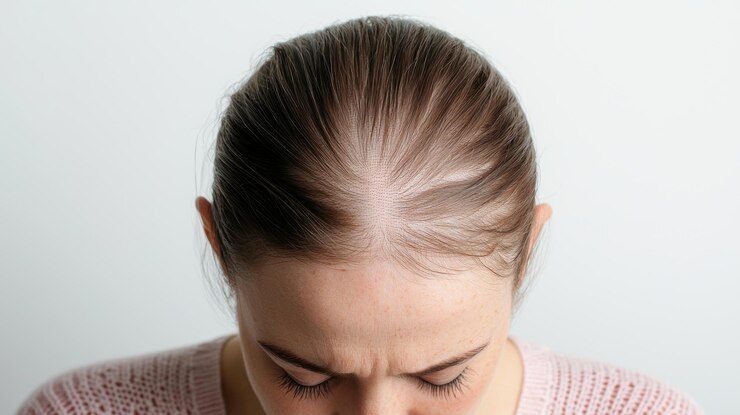
Not every woman experiencing hair loss is automatically suitable for transplantation.
Factors That Affect Suitability
Practitioners usually assess:
- Hair loss pattern
- Donor hair quality
- Scalp condition
- Stability of hair loss
Women with diffuse thinning throughout the entire scalp may require different treatment approaches.
Combining Hair Transplants With Other Treatments
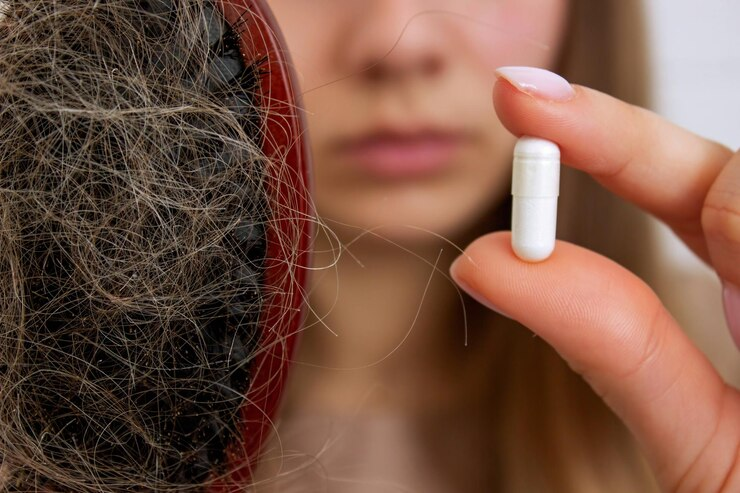
Many women combine hair transplantation with non-surgical treatments to support long-term hair health.
Common Combination Treatments
These may include:
- Hair loss medication
- PRP or growth factor therapy
- Scalp treatments
Combining treatments can help maintain existing hair while supporting transplanted follicles.
Recovery After Hair Transplant Procedures
Recovery time varies depending on the technique used and individual healing response.
What to Expect After Treatment
Patients may experience:
- Mild redness or swelling
- Temporary scabbing around graft sites
- Mild discomfort during early healing
Most women return to normal activities within a short period, although full healing and growth take longer.
Hair Growth Timeline
Hair transplant results develop gradually.
Typical Progress Timeline
Patients may notice:
- Temporary shedding after transplantation
- Early growth within several months
- Fuller results after 9 to 12 months
Patience is important because transplanted hair grows in stages.
Choosing the Right Melbourne Hair Transplant Clinic
Selecting a qualified clinic is one of the most important steps.
What to Look For
When researching providers, consider:
- Experience treating female hair loss
- Before-and-after examples for women
- Clear explanation of treatment expectations
- Ongoing follow-up care
A reputable clinic will explain both the potential benefits and limitations of treatment.
Understanding Limitations of Hair Transplants
Hair transplantation can improve density, but it may not completely restore the hair volume a person had previously.
Realistic Expectations Matter
Results depend on:
- Donor hair availability
- Severity of hair loss
- Overall scalp condition
- Individual healing and growth response
Understanding realistic outcomes helps reduce disappointment.
Lifestyle Factors That Support Hair Health
Maintaining healthy hair also involves overall wellbeing.
Helpful Habits
Women may support long-term results by:
- Following a balanced diet
- Managing stress levels
- Maintaining scalp health
- Following aftercare instructions carefully
Healthy habits can help support both natural and transplanted hair.
Conclusion
Hair transplant for women has become a more widely considered option as modern techniques continue to improve. In Melbourne, advanced procedures such as FUE and DHI offer women more natural-looking results, less invasive treatment methods, and better long-term hair restoration options.
While not every case of hair loss is suitable for transplantation, many women benefit from improved density, greater styling flexibility, and increased confidence after treatment. Careful consultation, realistic expectations, and proper aftercare all play an important role in achieving successful outcomes.