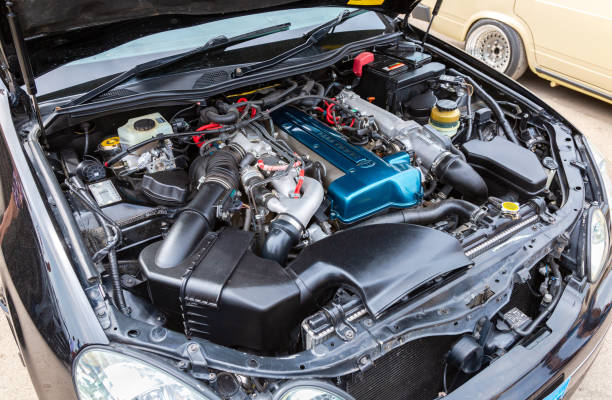
The Mitsubishi AC compressor is one of the most critical components of your vehicle’s air conditioning system. Its primary role is to compress and circulate refrigerant, keeping your cabin cool and comfortable. However, like any mechanical part, its lifespan is influenced not only by the quality of the component itself but also by external factors such as climate conditions and driving habits.
In this article, we’ll explore how extreme weather, city driving, long-distance trips, and other habits affect your Mitsubishi AC compressor’s performance and longevity. Understanding these factors can help you optimize maintenance, avoid premature failures, and ensure reliable cooling all year round.
Understanding the Mitsubishi AC Compressor
Before examining the external factors, it’s important to understand the role of the AC compressor in your Mitsubishi vehicle.
The compressor compresses refrigerant gas, increasing its pressure and temperature before sending it through the condenser and evaporator. This process removes heat from the cabin air, allowing your vehicle’s AC system to maintain a comfortable interior temperature.
A failing or poorly maintained compressor can result in:
- Reduced cooling efficiency
- Strange noises such as squealing, grinding, or rattling
- Leaks in the refrigerant system
- Increased engine load, reducing fuel efficiency
Maintaining the compressor’s health is crucial for both comfort and the overall functionality of your Mitsubishi’s AC system.
How Climate Impacts AC Compressor Lifespan
Australia is known for its diverse climate, ranging from scorching desert heat to humid coastal regions. These environmental conditions can significantly affect the lifespan of your Mitsubishi AC compressor.
1. Extreme Heat
High ambient temperatures, especially above 35°C, increase the workload on your AC compressor. The system must work harder to maintain cabin comfort, which can lead to:
- Faster wear of internal components such as bearings and pistons
- Increased risk of overheating and mechanical failure
- Reduced efficiency of refrigerant circulation
Tip: Ensure your AC system is regularly serviced and your refrigerant levels are checked. High-quality Mitsubishi AC compressors are designed to handle extreme heat better than low-quality alternatives.
2. Humidity and Moisture
High humidity can cause condensation in the AC system, leading to corrosion inside the compressor and other components. This is especially true in tropical or coastal regions where moisture levels are consistently high.
Tip: Run your AC periodically even during cooler months to circulate refrigerant and reduce moisture accumulation.
3. Cold Weather
While heat is more stressful, cold climates also pose challenges. Low temperatures can cause the compressor oil to thicken, making it harder for the system to circulate refrigerant during startup. Frequent cold starts without proper system lubrication can shorten compressor life.
Tip: Allow the AC to run for a few minutes during winter to maintain lubrication and prevent seal damage.
How Driving Habits Affect AC Compressor Wear
Not all driving conditions affect the AC compressor equally. Different habits and patterns place varying levels of stress on the system.
1. Stop-and-Go City Driving
City driving involves frequent starts, stops, and idling. This can increase AC compressor strain in several ways:
- The engine operates at lower RPMs, which may reduce refrigerant circulation efficiency
- Frequent stops can cause sudden load changes on the compressor clutch
- Idling with AC on increases engine heat, affecting compressor performance
Tip: Avoid prolonged idling with the AC on when possible. Use recirculation mode to reduce load and maintain cooling efficiency.
2. Long Highway Trips
Long-distance driving at consistent speeds is generally easier on the AC system than city traffic. However, extended use of the AC on hot days can still place continuous stress on the compressor.
Tip: Schedule regular maintenance and refrigerant checks before long trips, and make sure your Mitsubishi AC system is in optimal condition.
3. Aggressive Driving
Rapid acceleration, frequent braking, and high engine loads can indirectly stress the AC compressor. A higher engine load requires the compressor to work harder to maintain cooling, which increases wear over time.
Tip: Smooth driving habits not only improve fuel efficiency but also reduce wear on your AC system.
4. Towing and Heavy Loads
If you frequently tow trailers or carry heavy loads, your engine works harder, which can put extra strain on the AC compressor. The system must maintain cooling efficiency while the engine operates under higher pressure, which may accelerate compressor wear.
Tip: Ensure your AC system is serviced more frequently if you regularly tow or carry heavy loads, and monitor for signs of reduced cooling efficiency.
See also: Environmental Monitoring Technologies Explained
Common AC Compressor Problems Linked to Climate and Driving
Understanding how environmental and driving conditions impact the compressor can help you anticipate problems. Common issues include:
- Reduced Cooling Efficiency – Often caused by prolonged operation in extreme heat or high engine load conditions.
- Compressor Noise – Overworking the compressor can lead to squealing, rattling, or grinding noises.
- Refrigerant Leaks – Increased stress can cause seals and connections to wear, leading to leaks.
- Clutch or Bearing Failure – Frequent stops, high loads, and extreme temperatures increase the risk of mechanical failure.
Regular maintenance and mindful driving habits can mitigate these problems and extend the compressor’s lifespan.
Maintenance Tips to Maximize Compressor Life
To ensure your Mitsubishi AC compressor remains reliable under various conditions, follow these maintenance practices:
- Regular Servicing: Schedule annual AC system inspections to check refrigerant levels, compressor health, and system leaks.
- Use High-Quality Refrigerant and Oil: Low-quality fluids can increase wear and reduce system efficiency.
- Clean Condenser and Evaporator: Dirt, debris, and leaves can obstruct airflow and overwork the compressor.
- Monitor for Warning Signs: Strange noises, weak airflow, or warm air are early indicators that the compressor may need attention.
- Professional Installation: Ensure any replacements or repairs use certified Mitsubishi parts and proper installation techniques.
Choosing the Right Mitsubishi AC Compressor
When it comes time to replace your AC compressor, selecting a high-quality unit is crucial. Consider the following:
- OEM vs. Aftermarket: OEM parts guarantee compatibility and durability, while reputable aftermarket compressors may offer cost savings or performance upgrades.
- Model-Specific Fit: Ensure the compressor matches your Mitsubishi’s year, engine type, and AC system specifications.
- Durability and Materials: High-quality compressors are built with robust materials designed to withstand extreme temperatures and mechanical stress.
- Warranty Coverage: Opt for compressors with reliable warranties to protect against early failures.
Investing in a quality compressor ensures your AC system can handle both the Australian climate and your driving style.
Conclusion
The lifespan of your Mitsubishi AC compressor is influenced not only by its quality but also by climate conditions and your driving habits. Extreme heat, high humidity, stop-and-go traffic, long trips, towing, and aggressive driving can all accelerate wear on this critical component.
By understanding these factors, adopting mindful driving habits, and performing regular maintenance, you can extend the life of your AC compressor and ensure consistent cooling. Choosing a high-quality Mitsubishi AC compressor, whether OEM or reputable aftermarket, is essential for maintaining comfort, safety, and reliability on every journey—especially during extreme Australian summers.
FAQs
Q1: How long does a Mitsubishi AC compressor typically last?
A1: With proper maintenance and mindful driving, a Mitsubishi AC compressor can last 8–12 years, although climate and driving habits may shorten this lifespan.
Q2: Can frequent city driving damage my AC compressor?
A2: Stop-and-go traffic places extra stress on the compressor, particularly if the AC is used constantly, but regular maintenance can mitigate damage.
Q3: How does extreme heat affect my Mitsubishi AC compressor?
A3: High temperatures increase mechanical stress, reduce refrigerant efficiency, and accelerate wear on internal components.
Q4: Should I run the AC during winter months?
A4: Yes. Running the AC periodically keeps seals lubricated and prevents moisture buildup, extending compressor life.
Q5: How can I protect my AC compressor while towing or carrying heavy loads?
A5: Ensure regular maintenance, monitor refrigerant levels, and avoid excessive AC use during peak engine load when possible.