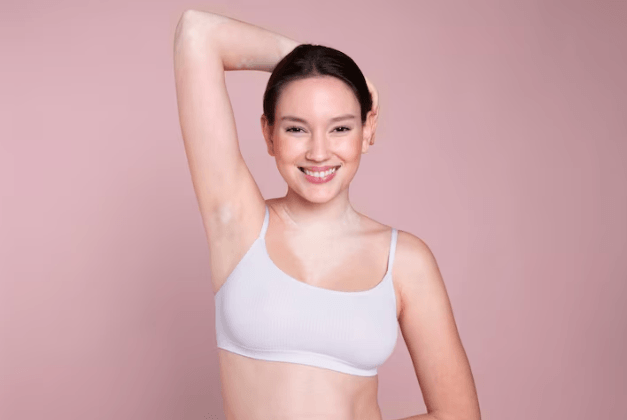
Underarm skin darkening is a common concern for many people, and it can happen due to shaving, friction, sweating, buildup of dead skin, or even certain skincare products. While it is completely normal and not medically harmful in most cases, it can affect confidence and comfort in wearing sleeveless clothing.
The good news is that there are several underarm whitening treatments available today, ranging from natural remedies to dermatological procedures. However, not every treatment works the same for everyone. The effectiveness depends heavily on your skin type, sensitivity level, and the underlying cause of pigmentation.
In this guide, we’ll explain how to choose the right underarm whitening treatment based on your skin type and what factors you should consider before starting any treatment.
Understanding Why Underarms Darken
Before choosing any treatment, it is important to understand why underarms become dark in the first place. The most common reasons include frequent shaving, which can cause irritation and lead to pigmentation over time. Friction from tight clothing can also trigger skin darkening due to repeated rubbing.
Another major cause is buildup of dead skin cells, which makes the area look dull and uneven. Excessive sweating and use of harsh deodorants or chemical-based products can also contribute to discoloration.
In some cases, hormonal changes or medical conditions like insulin resistance may play a role. Identifying the cause helps you choose a more effective treatment approach.
Why Skin Type Matters in Treatment Selection
Every person’s skin reacts differently to treatments. What works well for one skin type may cause irritation or no results for another.
For example, sensitive skin may react strongly to chemical-based whitening creams, while oily skin may respond better to exfoliating treatments. Dry skin may require more hydration-based solutions, while combination skin may need a balanced approach.
Understanding your skin type is the first step toward choosing a safe and effective underarm whitening treatment.
Underarm Whitening Treatments for Sensitive Skin
If you have sensitive skin, you need to be extremely careful with whitening treatments. This skin type is more prone to irritation, redness, and allergic reactions.
For sensitive skin, mild and soothing treatments work best. Natural remedies such as aloe vera gel or cucumber-based applications can help calm the skin while gradually improving tone. Products containing soothing ingredients like chamomile or niacinamide are often recommended.
Dermatological treatments should be chosen carefully, preferably after consulting a skin specialist. Gentle exfoliation and hydrating creams are usually safer options compared to strong chemical peels.
The key for sensitive skin is to avoid harsh chemicals and focus on gradual improvement rather than quick results.
Treatments for Oily Skin
Oily skin tends to produce more sebum, which can trap dirt and lead to pigmentation in the underarm area. For this skin type, treatments that focus on deep cleansing and exfoliation are more effective.
Chemical exfoliants containing mild acids like glycolic acid or lactic acid can help remove dead skin cells and reduce dark patches over time. Regular exfoliation helps keep the area clean and prevents buildup that contributes to discoloration.
Lightening creams with ingredients such as vitamin C or niacinamide can also be beneficial for improving skin tone.
However, it is important not to over-exfoliate, as this can cause irritation and worsen pigmentation.
Treatments for Dry Skin
Dry skin requires extra hydration along with whitening treatment. Without proper moisture, the skin may become more irritated and prone to uneven tone.
Moisturizing treatments that include ingredients like shea butter, coconut oil, or hyaluronic acid are ideal for this skin type. These help restore the skin barrier while gradually improving texture and color.
Gentle exfoliation once or twice a week can help remove dead skin buildup, but it should always be followed by proper hydration.
Avoiding alcohol-based deodorants is also important, as they can further dry out the skin and worsen discoloration.
Treatments for Combination Skin
Combination skin can be slightly more complex to treat because it has both oily and dry characteristics. The underarm area may react differently depending on product type.
A balanced approach works best for this skin type. Mild exfoliation combined with lightweight moisturizers is usually effective. Ingredients like niacinamide and vitamin C can help improve skin tone without causing irritation.
It is important to monitor how your skin reacts and adjust the treatment accordingly. Overuse of strong products should be avoided.
Natural Remedies vs Clinical Treatments
When it comes to underarm whitening, you can choose between natural remedies and clinical treatments depending on your needs and expectations.
Natural remedies such as lemon juice, aloe vera, potato juice, and turmeric masks are commonly used for mild pigmentation. These are generally safer but may take longer to show visible results.
On the other hand, clinical treatments such as chemical peels, laser therapy, and microdermabrasion offer faster results. These treatments are usually performed by dermatologists and are more suitable for stubborn pigmentation.
The choice depends on how severe the darkening is and how quickly you want results.
Things to Consider Before Choosing a Treatment
Before starting any underarm whitening treatment, it is important to consider a few key factors.
First, identify your skin type and sensitivity level. This helps avoid reactions or side effects. Second, understand the cause of pigmentation, as treating the root cause leads to better results.
It is also important to set realistic expectations. Skin lightening is a gradual process, and results vary from person to person.
If you are considering clinical treatments, consulting a dermatologist is always recommended to ensure safety and effectiveness.
Lifestyle Changes That Support Whitening Treatment
In addition to treatments, certain lifestyle changes can help improve underarm skin health. Wearing loose, breathable clothing reduces friction and prevents further darkening.
Switching to mild, alcohol-free deodorants can also help reduce irritation. Regular cleansing and gentle exfoliation keep the area clean and prevent buildup.
Staying hydrated and maintaining a healthy diet also supports overall skin health, which can improve results over time.
See also: How Fixed Skylight Windows Improve Indoor Lighting and Comfort
Final Thoughts
Choosing the right underarm whitening treatment depends heavily on your skin type, the cause of pigmentation, and how your skin responds to different ingredients.
There is no single solution that works for everyone. Sensitive skin requires gentle care, oily skin benefits from exfoliation, dry skin needs hydration, and combination skin requires balance.
Whether you choose natural remedies or clinical treatments, consistency and patience are key. With the right approach, you can achieve smoother, brighter, and more even-toned underarm skin safely and effectively.