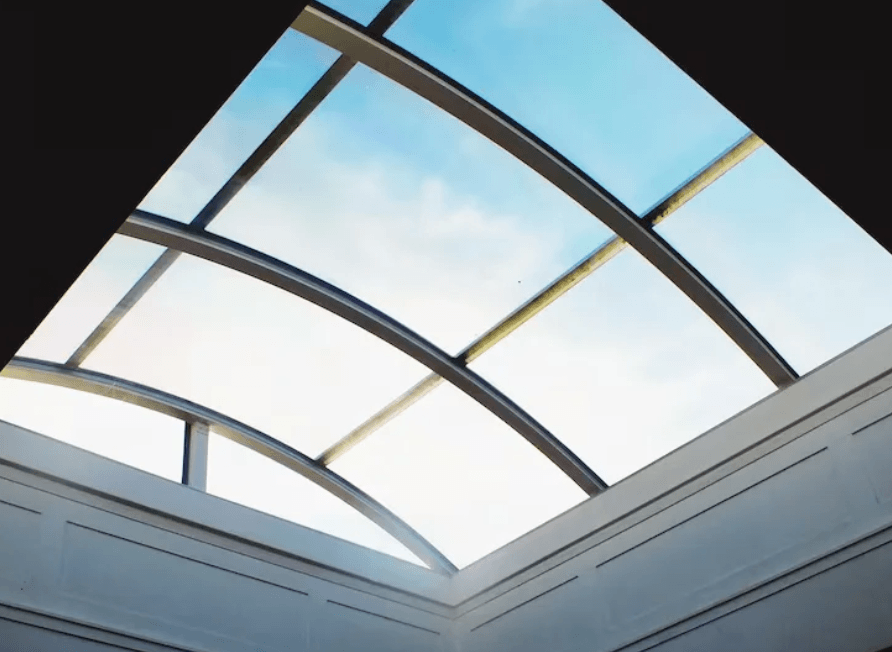
Natural light has always been one of the most important elements in architecture and interior design. It shapes how a space looks, how it feels, and even how people behave within it. Among the many ways to bring daylight indoors, fixed skylight windows stand out as one of the most effective and modern solutions. These are non-opening roof windows designed specifically to allow maximum natural light into a building while maintaining insulation, durability, and energy efficiency.
Unlike traditional wall windows, skylights capture sunlight from above, which is the most direct and consistent source of daylight throughout the day. This simple difference can completely transform interiors, making them brighter, more welcoming, and more functional. In this article, we’ll explore how fixed skylight windows improve indoor lighting and comfort, and why they are becoming an essential feature in modern homes and commercial buildings.
Maximizing Natural Daylight in Interior Spaces
One of the most immediate benefits of fixed skylight windows is the significant increase in natural daylight. Roof-mounted windows receive sunlight directly from the sky, which means they are not limited by surrounding buildings, walls, or external obstructions. This allows them to bring in much more light compared to traditional vertical windows.
Because of their positioning, skylights distribute light more evenly throughout a room. Instead of light entering from one side and fading across the space, skylights allow illumination to spread downward, reducing shadows and dark corners. This is especially useful in deeper rooms, open-plan layouts, staircases, and interior areas that do not have access to exterior walls.
The result is a naturally brighter environment that feels more spacious and comfortable without relying heavily on artificial lighting during the day.
Enhancing Mood, Productivity, and Well-being
Natural light is not just about visibility—it has a direct impact on human psychology and well-being. Studies have shown that exposure to daylight helps regulate circadian rhythms, which influence sleep cycles, energy levels, and overall health.
Fixed skylight windows contribute to this by ensuring a steady flow of daylight into indoor spaces. This can make homes feel more uplifting and reduce feelings of confinement, especially in urban environments where outdoor access may be limited.
In office environments, skylights can also improve productivity. Employees working in naturally lit spaces often report better focus, reduced eye strain, and improved mood. The presence of daylight helps create a more dynamic and less artificial working environment, which can enhance overall performance and satisfaction.
Even in residential settings, skylights can change how people experience their homes. Living rooms feel more open, kitchens become more inviting, and bathrooms or corridors that were once dark and closed-off feel more usable and pleasant.
Energy Efficiency and Reduced Electricity Consumption
Another major advantage of fixed skylight windows is their contribution to energy efficiency. By increasing the amount of natural light indoors, they reduce the need for artificial lighting during the day. This leads to noticeable savings in electricity usage over time.
In many buildings, lights are often left on even during daylight hours, especially in interior spaces with limited window access. Skylights help eliminate this inefficiency by providing consistent daylight from above. In commercial buildings, this can translate into significant reductions in operational costs.
Modern skylights are also designed with energy performance in mind. Many come with advanced glazing technologies that help regulate heat transfer. This means that while they allow sunlight in, they also help prevent excessive heat gain in summer and heat loss in winter. As a result, skylights contribute to better overall thermal efficiency when properly installed.
Improved Thermal Comfort with Modern Glazing Technology
Older skylight designs were often criticized for causing overheating or heat loss, but modern fixed skylight systems have evolved significantly. Today’s skylights are typically made with double or triple-glazed glass, low-emissivity (Low-E) coatings, and UV protection layers.
These technologies work together to balance indoor temperature. In hot climates, they reduce solar heat gain, keeping interiors cooler and more comfortable. In colder climates, they help retain indoor warmth, reducing the strain on heating systems.
UV protection is another important benefit. It prevents harmful ultraviolet rays from damaging interior furnishings such as flooring, furniture, and artwork. This ensures that while natural light is maximized, long-term interior quality is preserved.
As a result, skylights no longer compromise comfort—they actively enhance it when properly designed and installed.
Creating a Stronger Architectural and Aesthetic Impact
Beyond functionality, fixed skylight windows play a powerful role in interior design. They introduce a dynamic visual element that changes throughout the day as sunlight shifts. This creates a living, evolving atmosphere inside the space that artificial lighting cannot replicate.
Natural light from above enhances textures, colors, and materials in a way that feels more authentic and visually appealing. Walls appear brighter, ceilings feel higher, and rooms gain a sense of openness that improves overall spatial perception.
Architects often use skylights as design features to highlight specific areas such as staircases, dining zones, or central living spaces. In modern minimalist design, skylights are especially popular because they reduce the need for decorative lighting fixtures while still maintaining strong visual impact.
In luxury homes and commercial spaces, skylights are often used to create a premium, high-end feel that enhances property value and appeal.
Low Maintenance and Long-Term Durability
Fixed skylight windows are also valued for their simplicity and durability. Since they do not open or close, they contain fewer mechanical components compared to vented skylights. This reduces the likelihood of mechanical failure and lowers maintenance requirements.
When properly installed, fixed skylights are highly resistant to leaks and weather-related damage. Their sealed structure ensures that rainwater, dust, and external air do not enter the building, maintaining indoor comfort and cleanliness.
Over time, this makes them a cost-effective solution. Homeowners and building managers benefit from fewer repairs, lower maintenance costs, and long-lasting performance with minimal intervention.
Strategic Use in Interior Lighting Design
Skylights are not just about adding light—they are also a strategic design tool. Architects and designers carefully position them to control how light moves through a space.
For example, skylights can be placed above kitchen counters to improve task lighting, or over staircases to enhance safety and visibility. In larger homes or commercial buildings, multiple skylights can be arranged to create natural light pathways that guide movement and highlight architectural features.
This level of control allows designers to reduce dependence on artificial lighting plans while still maintaining functional and aesthetic balance throughout the space.
Environmental Benefits and Sustainable Design
Fixed skylight windows also support sustainable building practices. By reducing energy consumption and making better use of natural resources, they contribute to greener and more environmentally friendly architecture.
Buildings that incorporate skylights often achieve better energy ratings and align more closely with modern sustainability standards. This is increasingly important in both residential and commercial construction, where energy efficiency is a key consideration.
By relying more on natural daylight and less on artificial lighting systems, skylights help reduce carbon footprints and promote environmentally responsible design choices.
See also: Senior Bathroom Remodeling: A Complete Guide to Safety, Comfort, and Independence
Conclusion
Fixed skylight windows are much more than architectural enhancements—they are practical, energy-efficient, and design-driven solutions that significantly improve indoor environments. By bringing in abundant natural light from above, they transform dark or enclosed spaces into bright, open, and welcoming interiors.
Their benefits extend beyond lighting. They improve mood, enhance productivity, reduce energy consumption, support thermal comfort, and elevate interior aesthetics. With modern glazing technologies and durable construction, they also offer long-term performance with minimal maintenance.
Whether used in residential homes, office buildings, or commercial spaces, fixed skylight windows represent a smart investment in both comfort and design. They bridge the gap between indoor living and the natural environment, creating spaces that feel healthier, more connected, and more enjoyable to live and work in.