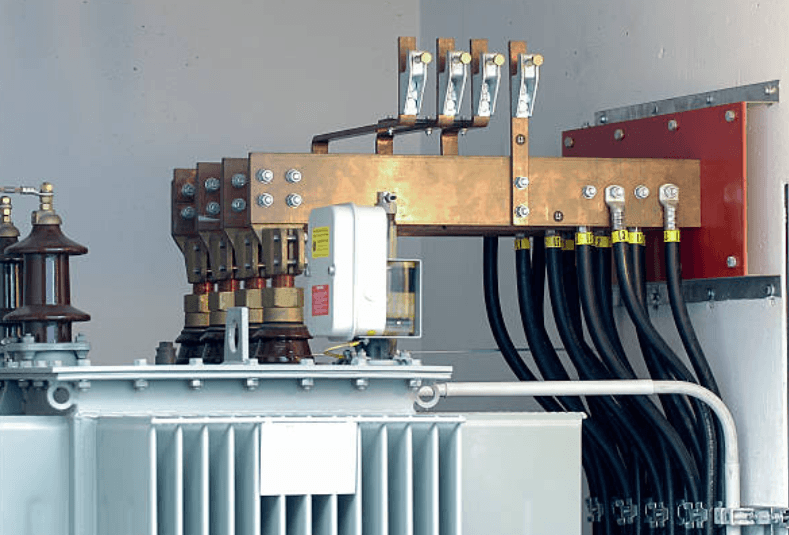
A zig zag grounding transformer plays a critical role in modern industrial power systems by providing a stable reference point for grounding and improving overall electrical safety. In complex industrial environments where reliability and fault management are essential, these transformers offer an effective solution for managing unbalanced loads and limiting fault currents. Understanding how they function and where they are applied helps engineers design safer and more efficient systems.
What Is a Zig Zag Grounding Transformer
A zig zag grounding transformer is a special type of transformer designed primarily to provide a neutral point for grounding in systems that do not inherently have one. It consists of windings connected in a zig zag configuration, which allows it to handle zero sequence currents while maintaining system balance.
Unlike conventional transformers used for voltage transformation, this device is focused on grounding and fault current control. Its design ensures that under normal operating conditions, minimal current flows through it, but during faults, it becomes active and stabilizes the system.
How It Works in Industrial Systems
The zig zag configuration splits each phase winding into two halves and connects them in such a way that magnetic flux is balanced across the core. This arrangement cancels out normal phase currents while allowing zero sequence currents to pass during ground faults.
This functionality enables:
- Creation of an artificial neutral point
- Controlled path for fault currents
- Improved system stability during unbalanced conditions
Because of this, industries that rely on uninterrupted power supply often integrate these transformers into their electrical infrastructure.
Importance of Grounding in Industrial Environments
Grounding is essential in industrial systems to protect equipment, personnel, and processes. Without proper grounding, electrical faults can lead to severe equipment damage and safety hazards.
Zig zag grounding transformers are particularly valuable because they provide grounding without requiring a direct connection to a generator or transformer neutral. This makes them ideal for delta-connected systems where no neutral is available.
They also help reduce transient overvoltages, which can damage sensitive equipment and disrupt operations.
Key Applications in Industrial Systems
1. Grounding in Delta-Connected Power Systems
Many industrial systems use delta-connected transformers or generators, which do not have a natural neutral point. A zig zag grounding transformer provides an artificial neutral, enabling effective grounding.
This is especially useful in manufacturing plants and heavy industries where delta systems are common due to their efficiency and load handling capabilities.
2. Fault Current Limitation
During a ground fault, excessive current can damage equipment and pose safety risks. Zig zag grounding transformers can be paired with grounding resistors to limit fault current to a safe level.
This controlled current flow allows protective devices to operate correctly without causing extensive damage.
3. Protection of Sensitive Equipment
Industrial systems often include sensitive machinery such as automation controls, variable frequency drives, and instrumentation systems. These components are vulnerable to voltage fluctuations and ground faults.
By stabilizing the system and reducing overvoltages, zig zag grounding transformers help protect these critical assets and ensure consistent performance.
4. Use in Renewable Energy Installations
Renewable energy systems such as wind and solar farms often operate with inverter-based outputs that may not have a grounded neutral. A zig zag grounding transformer provides the necessary grounding reference.
This improves system safety and ensures compliance with grid requirements, making it an important component in modern energy systems.
5. Industrial Distribution Networks
Large industrial facilities often have complex distribution networks with multiple feeders and load points. Zig zag grounding transformers help maintain stability across these networks.
They ensure that any ground fault is properly managed without affecting the entire system, allowing operations to continue with minimal disruption.
Benefits of Using Zig Zag Grounding Transformers
Enhanced Safety
These transformers provide a reliable grounding path, reducing the risk of electrical shocks and equipment damage. This is especially important in industries where safety standards are strict.
Improved Fault Detection
By allowing controlled fault currents to flow, they enable protective relays and circuit breakers to detect and isolate faults quickly.
System Stability
They help maintain voltage balance during unbalanced loads and fault conditions, ensuring smooth operation of industrial processes.
Cost Efficiency
Preventing equipment damage and reducing downtime leads to significant cost savings in the long run. Their ability to integrate into existing systems without major redesign also adds to their economic value. Contact Meta Power Solutions today as they offer a comprehensive line of grounding transformers.
Design Considerations for Industrial Use
When implementing a zig zag grounding transformer, several factors must be considered to ensure optimal performance.
System Voltage and Rating
The transformer must be designed to handle the system voltage and expected fault current levels. Incorrect sizing can lead to inefficiency or failure.
Grounding Resistor Selection
In many cases, a resistor is connected to limit fault current. The resistance value must be carefully selected based on system requirements.
Thermal Performance
During fault conditions, the transformer may experience high currents. Proper thermal design ensures it can withstand these conditions without overheating.
Installation Location
Placement within the system affects performance. It should be installed where it can effectively manage faults across the network.
Common Challenges and Solutions
Overheating During Fault Conditions
Repeated faults can cause thermal stress. Using transformers with adequate thermal capacity and proper cooling mechanisms helps mitigate this issue.
Incorrect Sizing
Undersized transformers may fail under fault conditions. Accurate load and fault analysis during the design phase is essential.
Maintenance Requirements
Although relatively low maintenance, periodic inspection is necessary to ensure reliability. Checking insulation and connections helps prevent failures.
Comparison with Other Grounding Methods
Zig zag grounding transformers are not the only method used for grounding in industrial systems. However, they offer unique advantages compared to other techniques.
Solid Grounding
Solid grounding directly connects the neutral to ground, allowing high fault currents. While simple, it can lead to equipment damage.
Resistance Grounding
Resistance grounding limits fault current but requires a neutral point. Zig zag transformers provide that neutral in systems where it does not exist.
Ungrounded Systems
Ungrounded systems avoid grounding altogether, but they can experience dangerous overvoltages during faults. Zig zag grounding transformers eliminate this risk by providing a controlled grounding path.
See also: Environmental Monitoring Technologies Explained
Role in Modern Industrial Automation
With the rise of automation and smart manufacturing, electrical systems have become more complex and sensitive. Zig zag grounding transformers support these systems by ensuring stable and reliable power.
They play a key role in:
- Maintaining voltage balance for automated processes
- Protecting control systems from electrical disturbances
- Supporting continuous operation in critical environments
As industries adopt more advanced technologies, the importance of proper grounding continues to grow.
Future Trends in Industrial Grounding
The demand for reliable and efficient grounding solutions is increasing with the expansion of industrial infrastructure and renewable energy integration.
Zig zag grounding transformers are expected to evolve with:
- Improved materials for better thermal performance
- Integration with monitoring systems for real time diagnostics
- Enhanced designs for compact and efficient installations
These advancements will further strengthen their role in industrial power systems.
Conclusion
The zig zag grounding transformer is an essential component in industrial electrical systems, providing a reliable solution for grounding, fault management, and system stability. Its unique design allows it to function effectively in systems without a natural neutral point, making it indispensable in many industrial applications.
From protecting sensitive equipment to enabling safe operation in complex distribution networks, its contributions are significant. As industries continue to modernize and expand, the role of zig zag grounding transformers will remain vital in ensuring safe and efficient power system performance.